Scenic Routes
Scenic Routes 2026: How to Plan a Drive Worth Taking
Plan a scenic drive in 2026: daily distance, fuel, stops, weather and the timing that turns a long road into a good day.
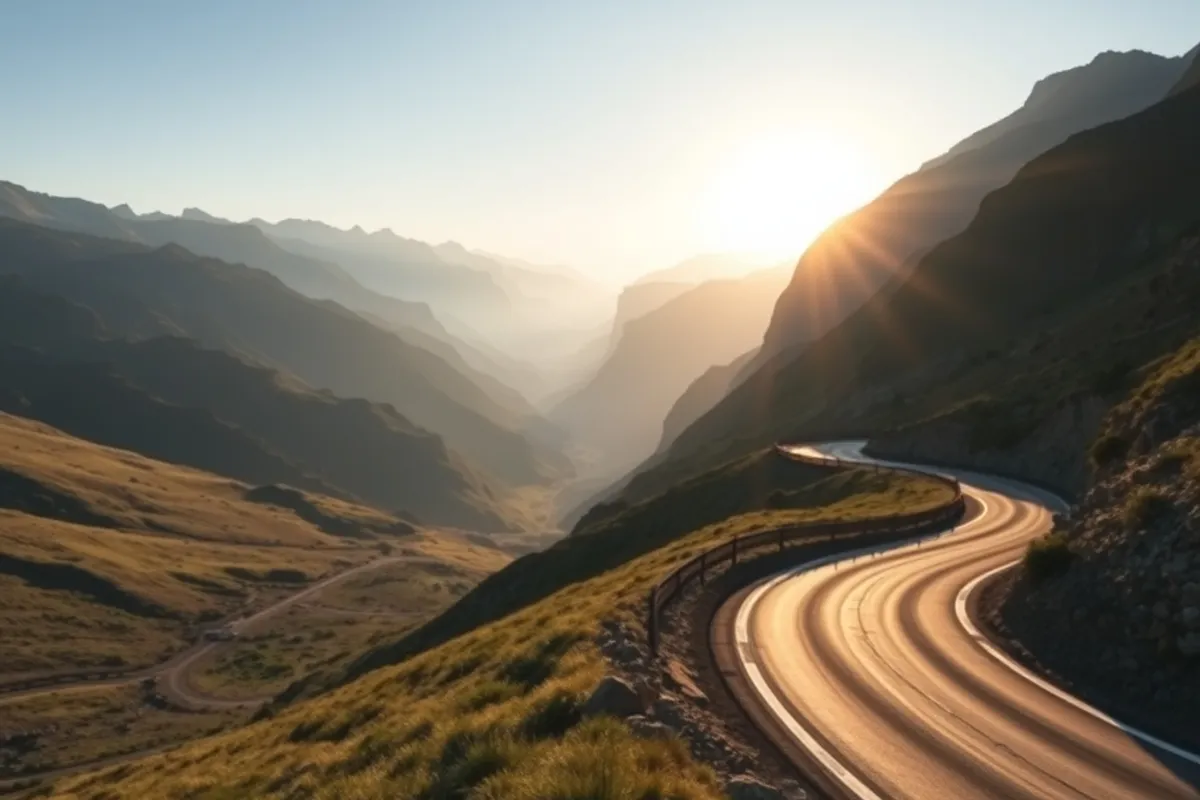
A scenic route is not a road with a nice view on the map. It is a day built around light, stops and a pace that lets you look. The common mistake is planning distance first and stops second; the better order is the other way round, because the road exists to connect the places you want to see.
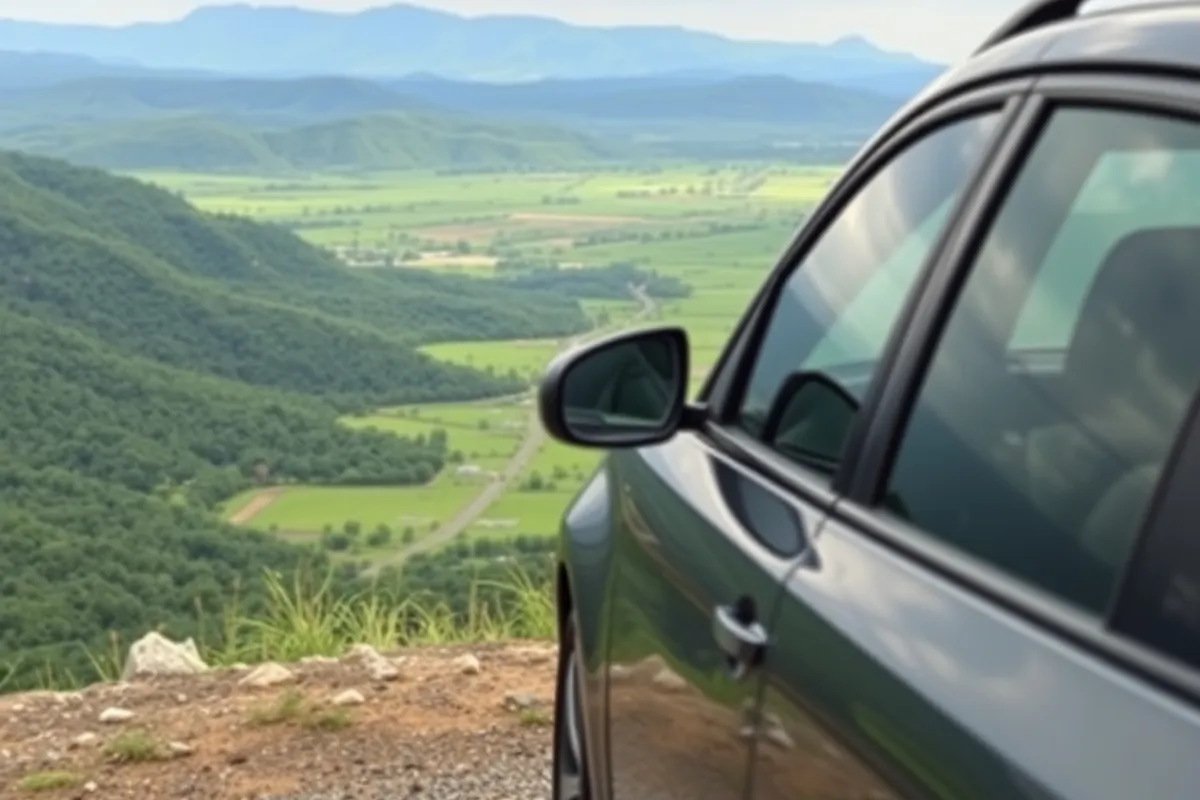
Choose the direction for the light
The same road feels different in each direction. Morning light is softer and the roads are quieter; late afternoon gives long shadows and warmer colour. If the route has a famous viewpoint, plan to reach it when the light is right, not when the schedule says so.
Driving east in the early morning means looking into the sun. Driving west at sunset does the same. Check the compass and the time, then decide which side of the road you want to be on. A route that ends with a view and a short drive to dinner is easier than one that ends after dark.
The best scenic road is the one where you stop more than you planned.
Set a realistic daily distance
Mountain roads and coastal lanes take longer than the distance suggests. A hundred kilometres on a winding road with photo stops can fill a day. Plan three to four hours of actual driving, plus stops, and keep the evenings free.
Do not chain two famous routes in one day. If you want to see both, stay between them and drive each in the better light. A relaxed pace with one long lunch is a better memory than a checklist of viewpoints.
Plan fuel and food before remote sections
Fill up before the road gets remote, and carry water and snacks. Some scenic routes have long gaps between services, and a fuel station marked on a map may be closed out of season. Check opening hours and keep a little more fuel than you think you need.
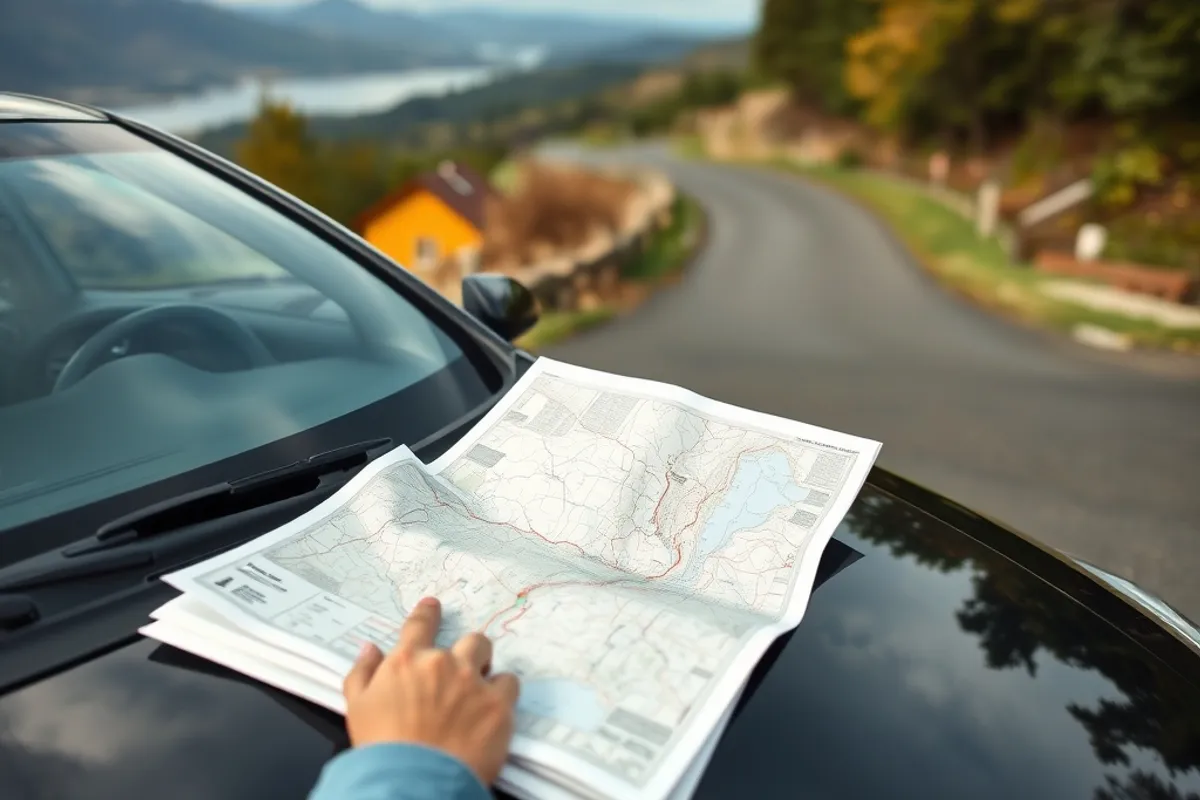
Download the map for offline use. Signal can disappear in valleys and mountains, and a wrong turn on a narrow road costs more time than in a city. Keep a paper map or a charged power bank as a backup.
Drive for the weather you have
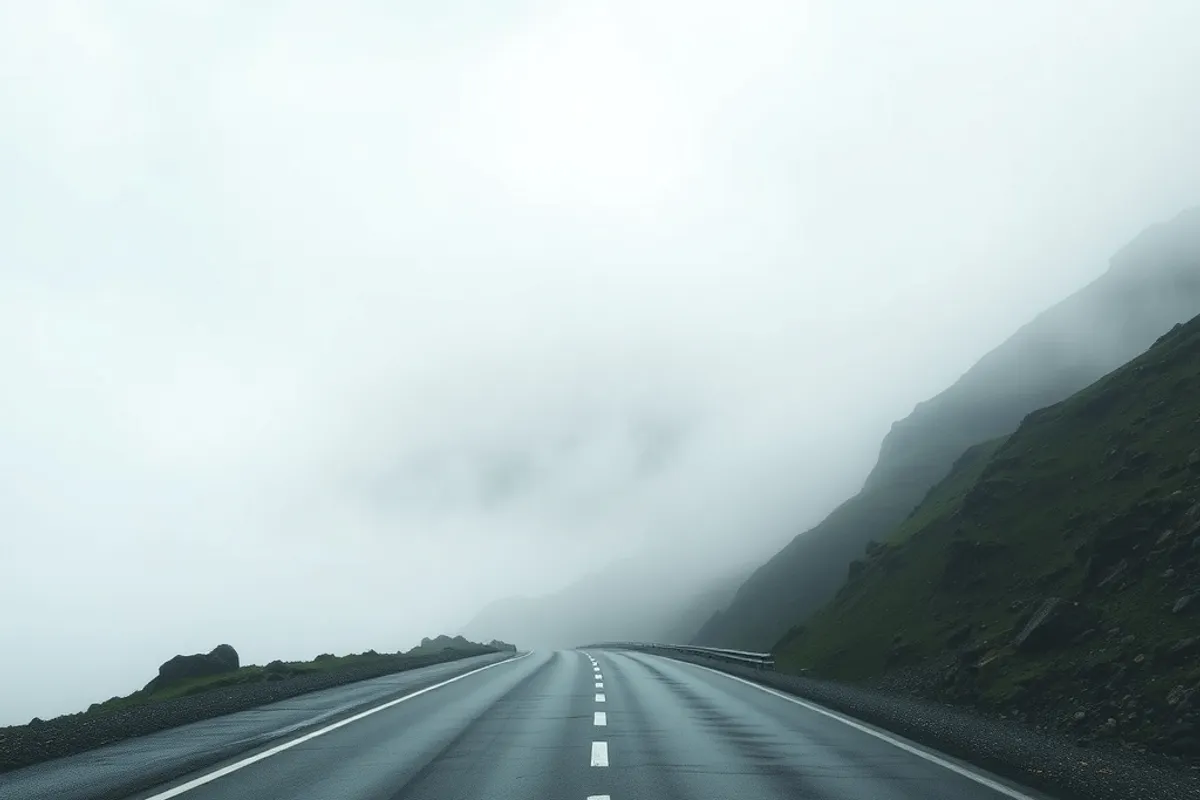
Fog, rain and ice change a scenic road completely. Slow down, use lights and skip the viewpoint if the road is unsafe. A closed pass or a landslide can add hours, so ask locally before you set out and check the road authority updates.
If the weather is poor, switch to a lower route or a town day. A museum, a market or a long lunch is better than a tense drive. The scenery will still be there on another trip. For route ideas, see our list of scenic routes for 2026.
Respect the road and the people on it
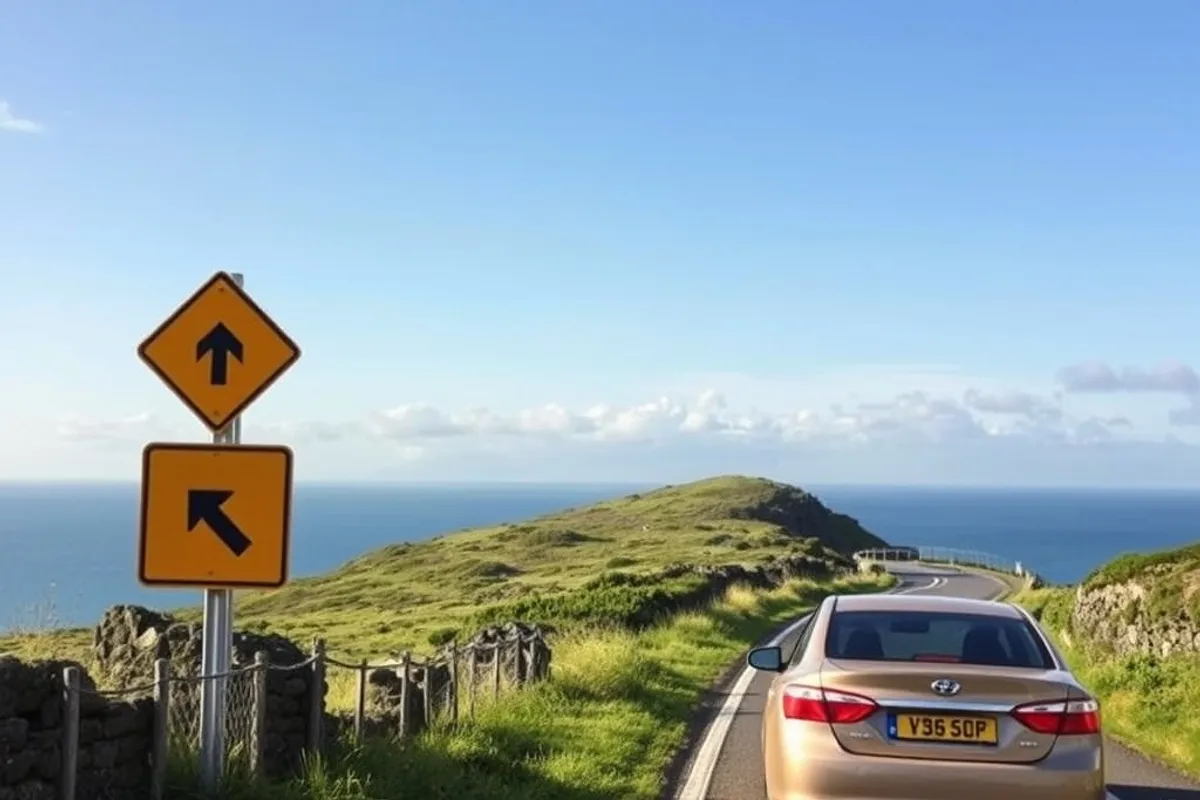
Use passing places, do not stop in the middle of the road for a photograph and keep the noise down in small villages. A scenic road is a working road for residents, farmers and buses. Pull over only where it is safe and legal.
If you are driving an unfamiliar vehicle, take time to learn the controls before you leave town. If you are not confident, hire a driver for the hardest section. There is no prize for doing every kilometre yourself.
Build in one slow stop
Choose one place to stay for two nights. A slow stop in the middle of a driving trip gives you a day without packing, a chance to walk and a better meal. It also gives the weather a day to improve before the best section.
Use that day for a short walk, a local market or a long lunch. For coastal sections, read our island hopping guide to combine driving with a boat. For food stops, our food journey planning guide has the timing covered.