Food Journeys
Food Journeys 2026: How to Plan a Trip Around What You Eat
Plan a food journey that goes beyond restaurant lists: markets, seasons, local cooking, timing and the etiquette that opens doors.
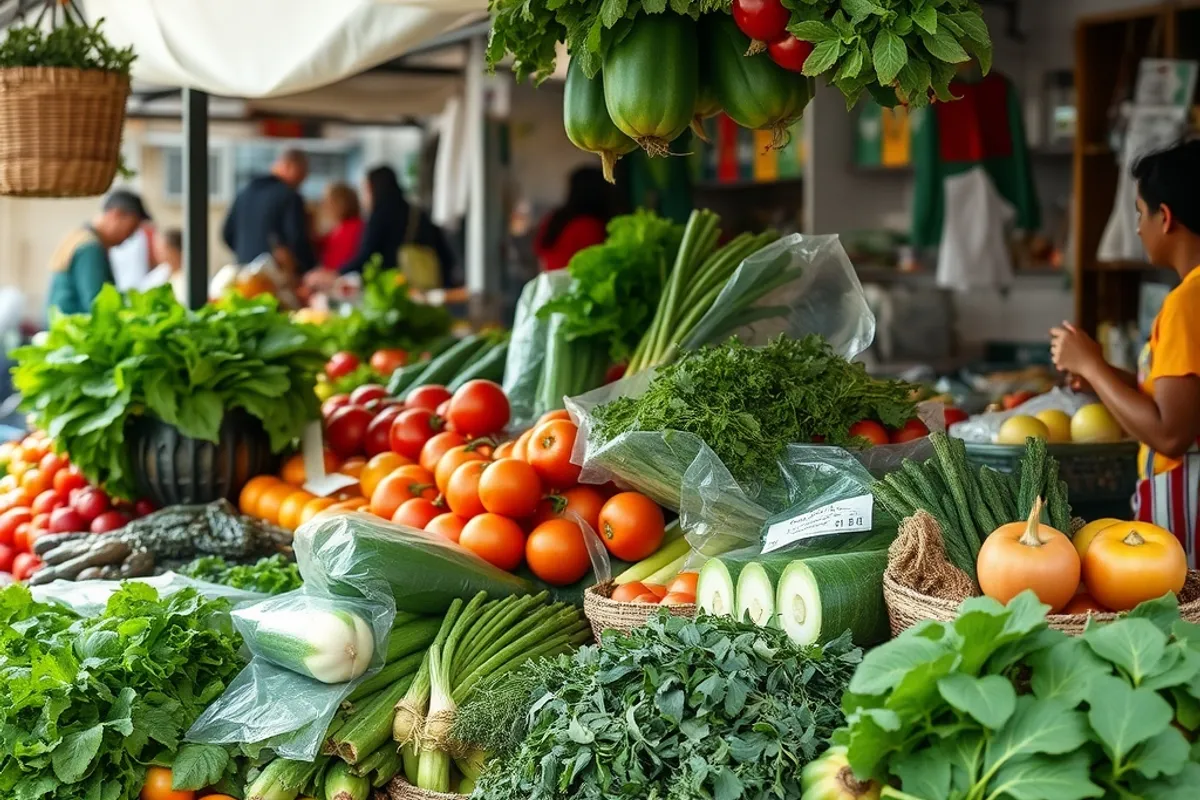
A food journey is not a list of restaurants. It is a way of travelling where the day is shaped by markets, seasons and the people who cook. The best food trips are slower than a normal itinerary, with fewer stops and more attention, and they start long before the first reservation.
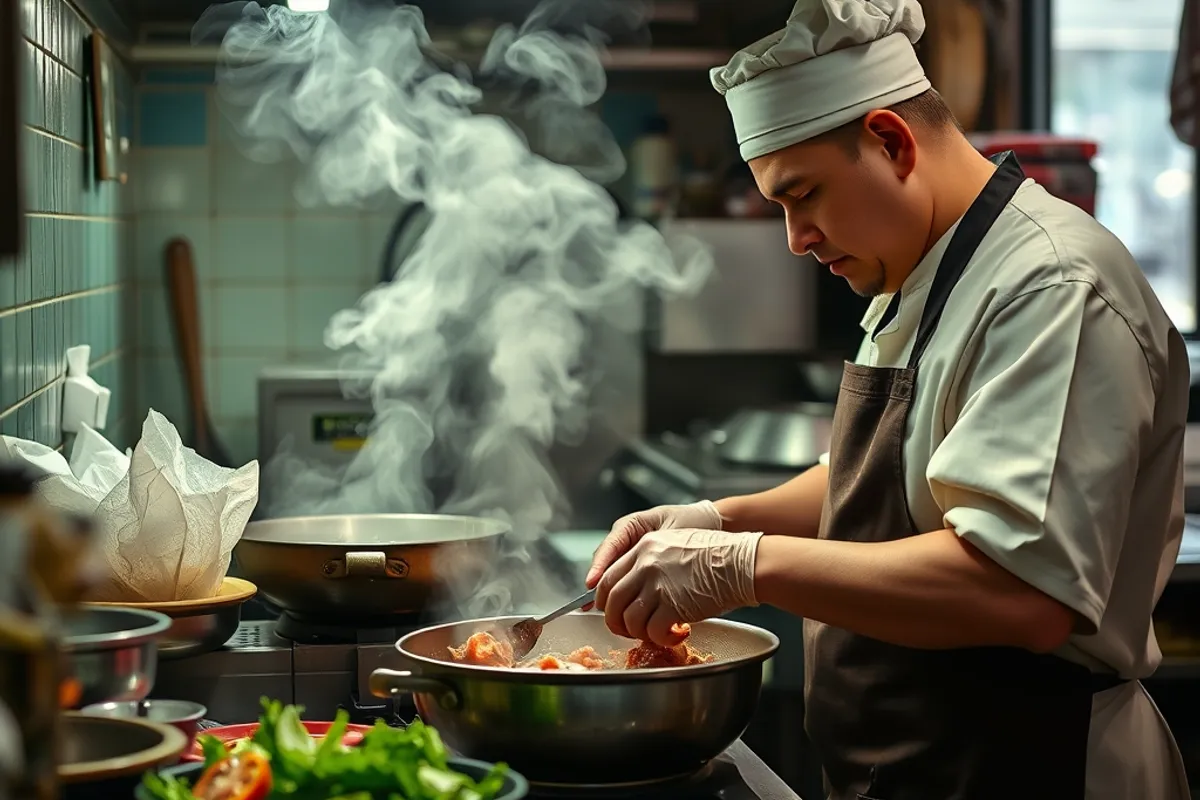
Choose the place for what it makes
Pick a region because of a product, a dish or a tradition, not because it is convenient. A coastal town built around a fishing fleet will give you a different trip from a mountain village known for cheese or a city with a long market history. The place should have a reason to eat there.
Check the season before you book. A famous harvest, a festival or a market day can be the highlight of the trip, but it can also mean crowds and higher prices. Ask local producers when the best week is, not when the biggest event is.
Eat where the work is. A market at six in the morning tells you more than a menu at eight at night.
Plan one meal, not a crawl
A day with one long lunch, one market visit and a simple dinner will usually be better than a schedule of five tastings. Give each meal time, and leave space for the unexpected: a bakery, a stall, an invitation to sit down. The best food moments are rarely the ones you booked.
Book only the meals that need it. A popular dinner or a cooking class may require a reservation weeks ahead; a market breakfast rarely does. Keep one evening free for a return to the place you liked most.
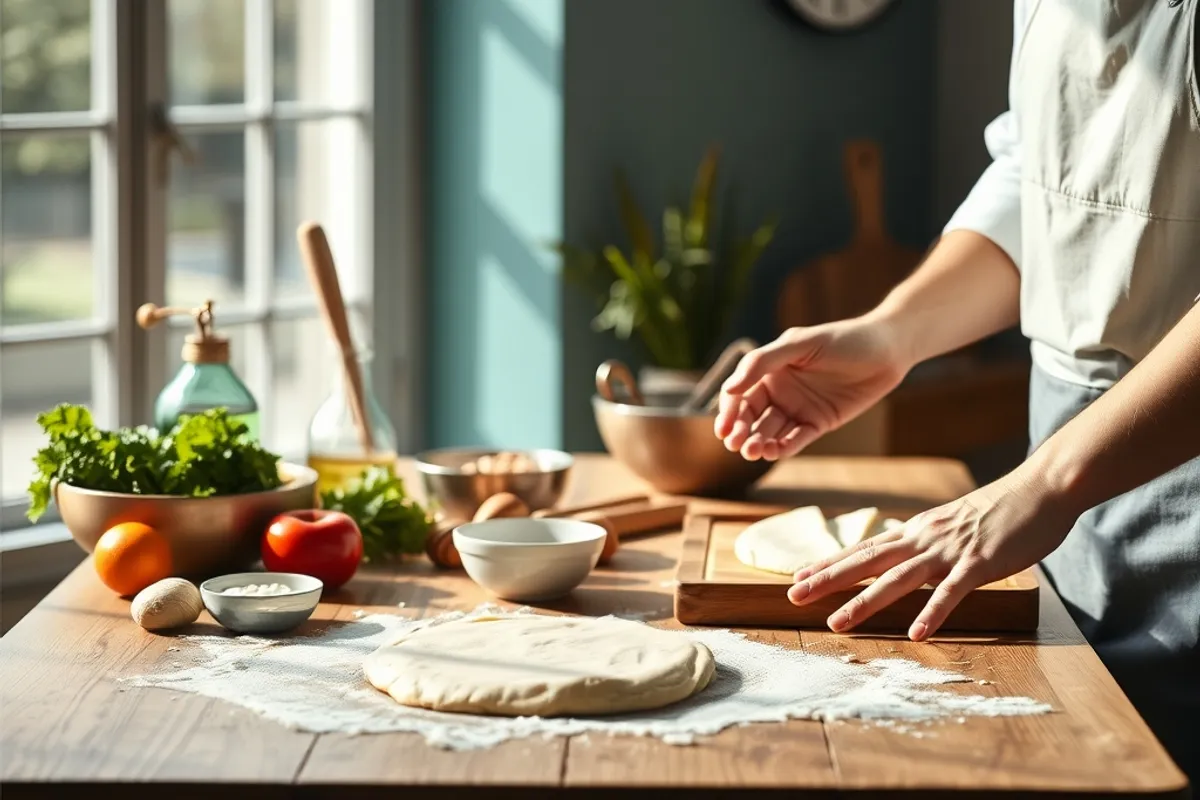
Use markets as your map
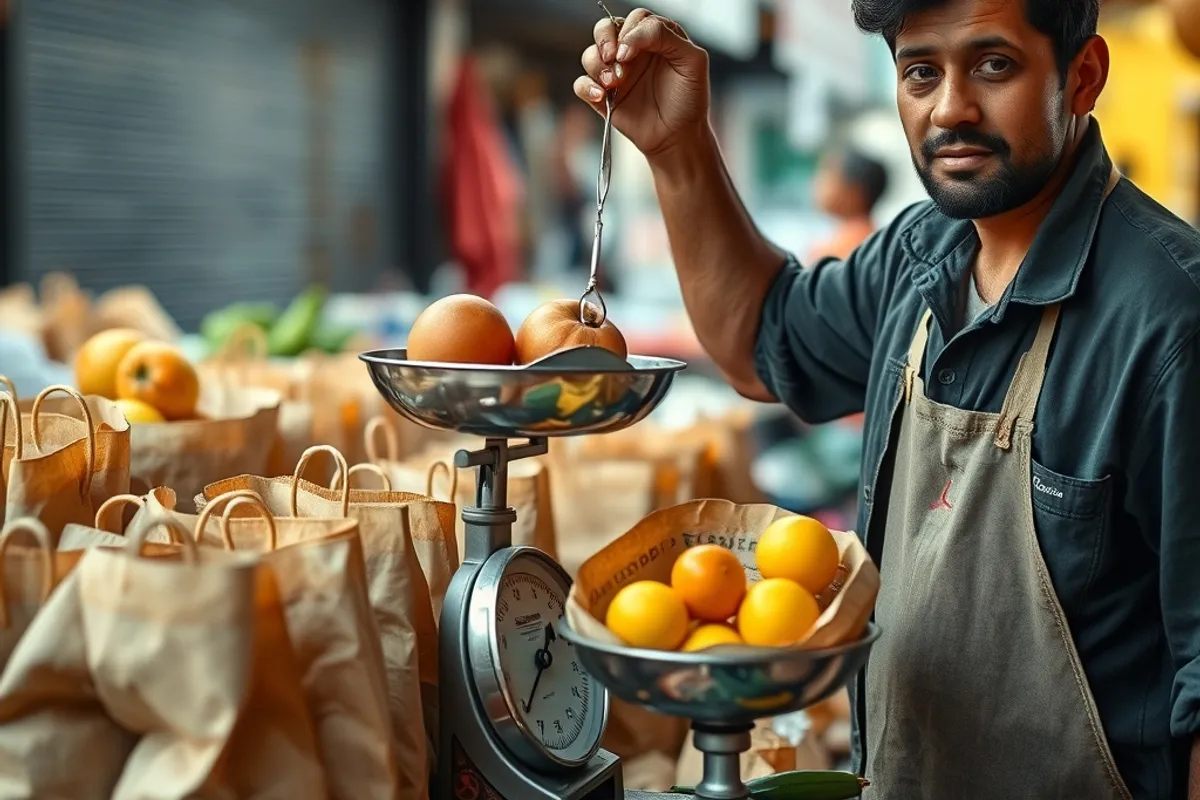
Go early, walk the whole market before buying and carry small notes. Ask what is good today and what is local. A vendor who explains how to cook something is usually a better guide than a review site. Buy a little, taste it and come back if you like it.
Respect the market as a workplace. Ask before taking photographs, do not block a stall and do not haggle over small amounts. Learn the words for please, thank you and how much, and use them. Politeness is part of the recipe.
Take a class or a walk
A cooking class or a market walk with a local guide can turn a good trip into a memorable one. Choose small groups and ask what you will actually do: shop, cook, eat, visit a producer. A class that begins at the market and ends at a shared table is usually worth the money.
If you have dietary restrictions, explain them clearly and early. A good host will tell you honestly what can be adapted. Do not assume every kitchen can accommodate every need, and never risk your health to be polite.
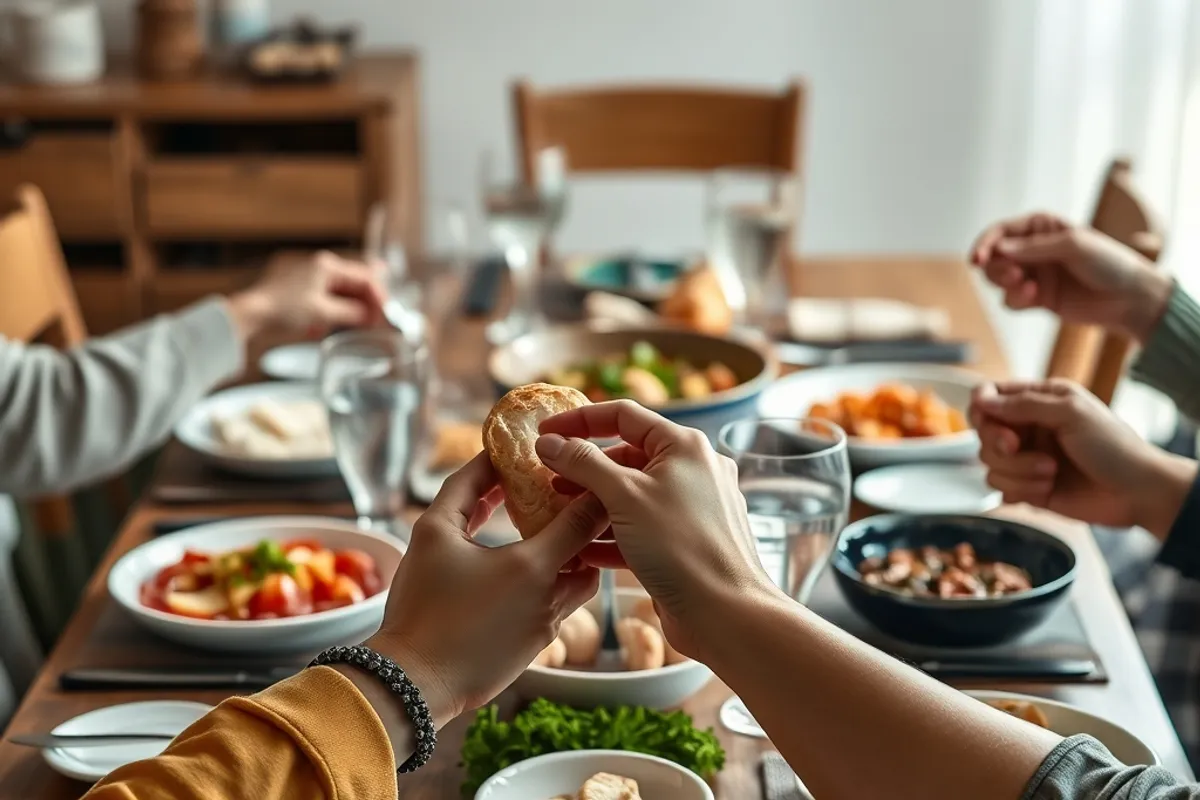
Build in rest and water
Food travel is tiring in a way that walking is not. Long meals, heat and unfamiliar food add up. Drink more water than you think you need, keep the next morning light and do not schedule a heavy lunch after a heavy dinner. A rest afternoon makes the evening meal better.
Carry a simple remedy for an upset stomach and know where the nearest pharmacy is. Most travel illness is short and mild, but it is easier to manage if you have planned for it. For where to stay between meals, see our boutique hotel booking guide.
Leave with something to cook
Buy one ingredient you can carry home and learn one dish properly. A bag of spice, a jar of something local or a handwritten recipe is a better souvenir than a fridge magnet. Cook it within a month, while the memory is fresh.
For route ideas built around food, see our list of food journeys for 2026. If you are combining food with a coastal drive, our scenic route planning guide will help with the timing.