Boutique Hotels
Boutique Hotels 2026: How to Book a Small Stay That Delivers
How to choose a boutique hotel in 2026: room size, location, service, breakfast and the questions that reveal whether a small stay is worth the price.
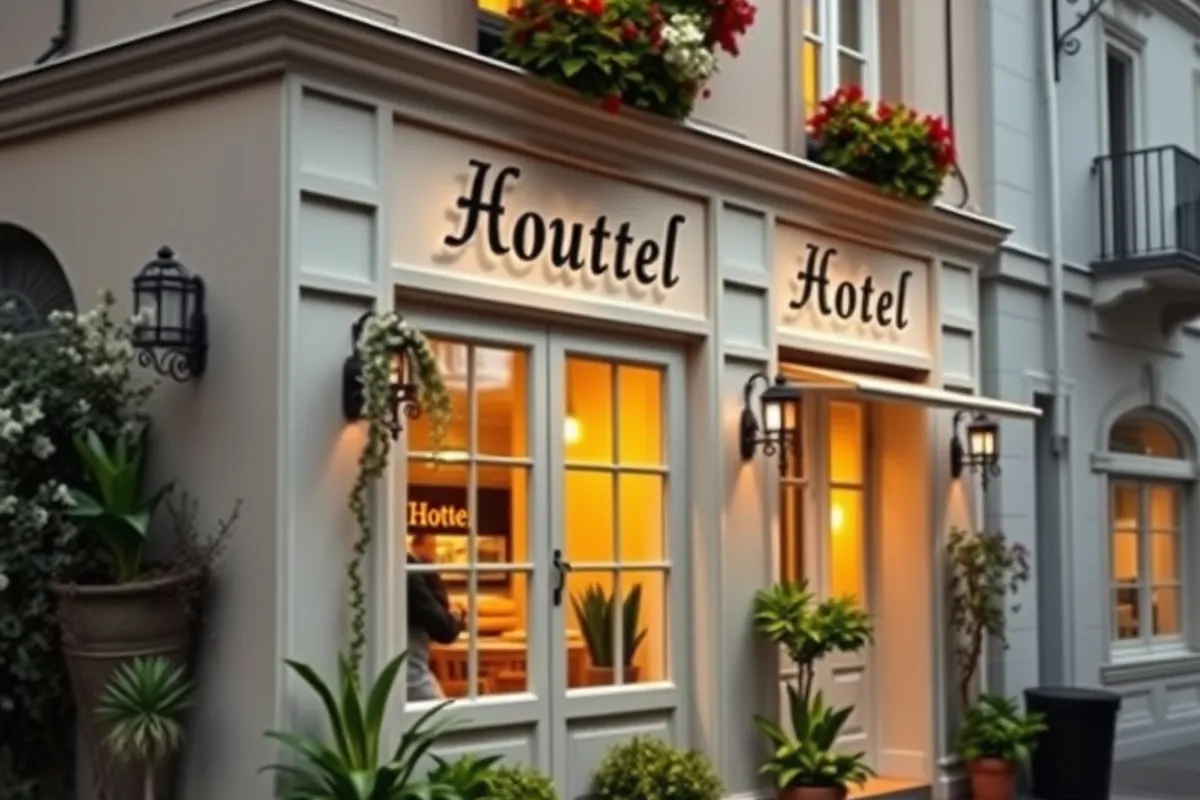
Boutique is a promise of character, not a guarantee of comfort. A small hotel can be the best part of a trip, or a beautiful room with thin walls and nobody at reception after nine. The difference is usually visible before you book, if you know which questions to ask.
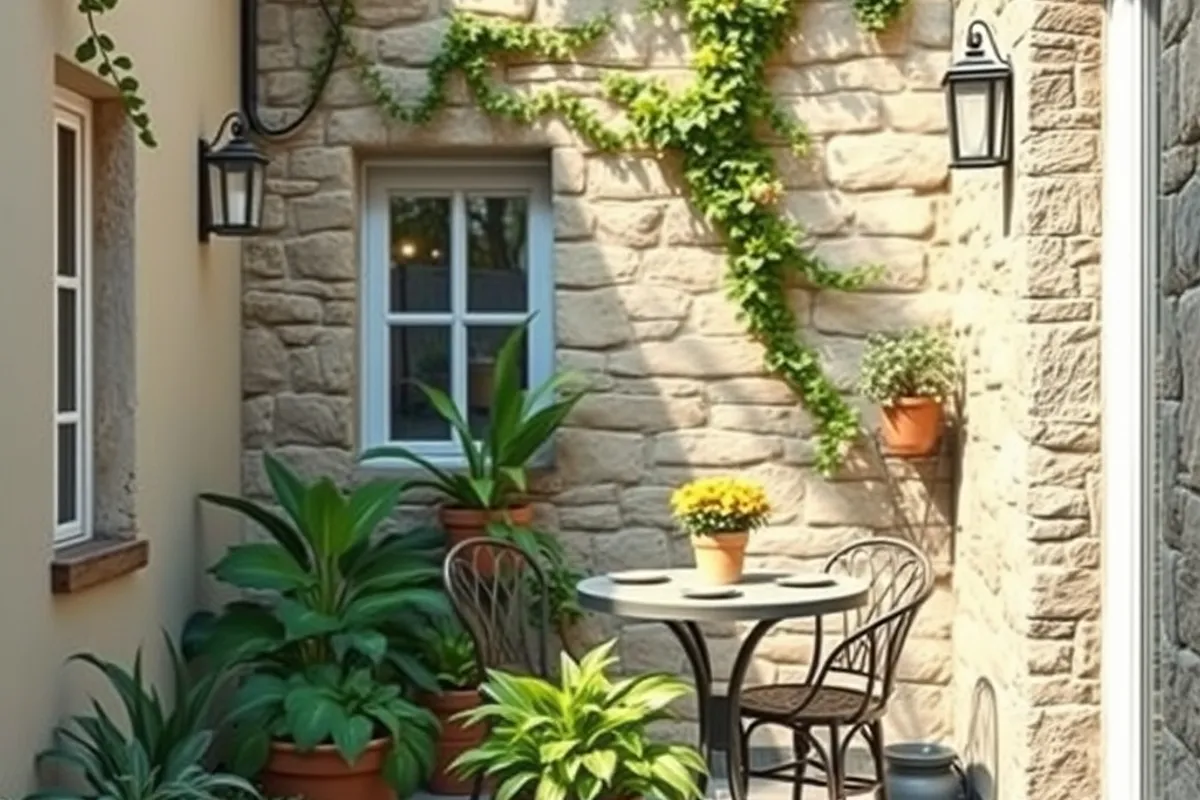
Start with the location, not the lobby
A designer lobby is easy to photograph; a good location is what you live with. Check the walk to the places you actually want: breakfast, transport, the old town, the beach. A ten-minute walk in the evening can feel very different after a long day.
Look at the street around the hotel, not just the building. A quiet side street is worth more than a view of a main road, and a hotel beside a bar can be charming at noon and impossible at midnight. Read recent reviews for noise, not only for style.
A small hotel earns its price in the boring moments: arrival, breakfast and a problem solved quietly.
Decode the room photograph
Wide-angle photographs make small rooms look generous. Check the listed square metres, the bed size and whether the window faces a courtyard or a wall. If the room matters to your trip, ask for dimensions and a recent photograph before you pay.
Think about how you will use the room. If you plan to work, confirm a desk and a reliable connection. If you are travelling with a large bag, check the storage. If you need quiet, ask for a room away from the street and the lift, and confirm that the hotel can honour the request.

Ask about service hours
Small hotels often run with a small team. Confirm the reception hours, the latest check-in and what happens if your flight is delayed. A keypad code can work well, but only if you receive it in advance and the instructions are clear.
Ask about luggage storage, early breakfast and accessibility. A hotel that answers these questions plainly is usually well run. A vague answer about arrival is a warning, especially if you are landing late or travelling with children.
Compare the total bill
Add breakfast, taxes, transfers and parking to the room rate. A hotel that looks cheap but charges for every extra can cost more than a slightly pricier stay that includes the things you need. Check the cancellation terms too, because a flexible rate is often worth the difference.
Location is part of the value. A central room that saves two taxi rides a day may be better than a cheaper room on the edge. For small-stay ideas by setting, see our list of boutique hotel stays for 2026.
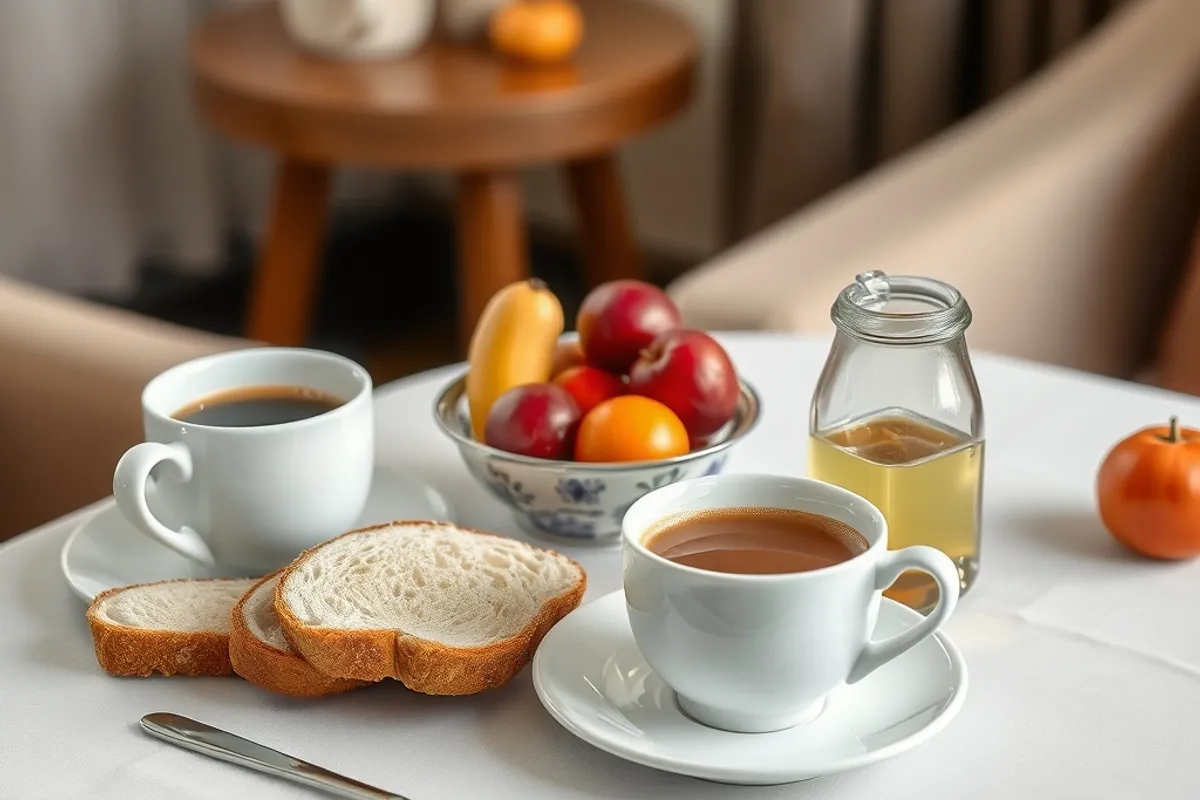
Read the reviews for patterns
One bad review can be an unlucky guest; the same complaint repeated is a pattern. Look for mentions of noise, temperature, hot water, breakfast and staff response. A hotel that replies well to criticism is often a safer bet than one with only perfect scores.
Ignore the score for a moment and read the details. A four-star average with consistent notes about thin walls is less useful than a smaller hotel where guests mention the same helpful manager by name. Patterns tell you what the stay will actually feel like.

Book direct, but compare
Booking direct can give the hotel more of the money and give you a better chance of a room request, but it is not always the cheapest option. Compare the total price, the cancellation policy and the extras before you decide.
Write a short, specific note with your booking: quiet room, high floor, late arrival, dietary need. Hotels cannot guarantee everything, but a clear request is easier to honour than a vague hope. For food-led trips, read our food journey planning guide before you choose a base.