Food Journeys
Food Journeys 2026: How to Plan a Trip Around What You Eat
Plan a food journey that goes beyond restaurant lists: markets, seasons, local cooking, timing and the etiquette that opens doors.
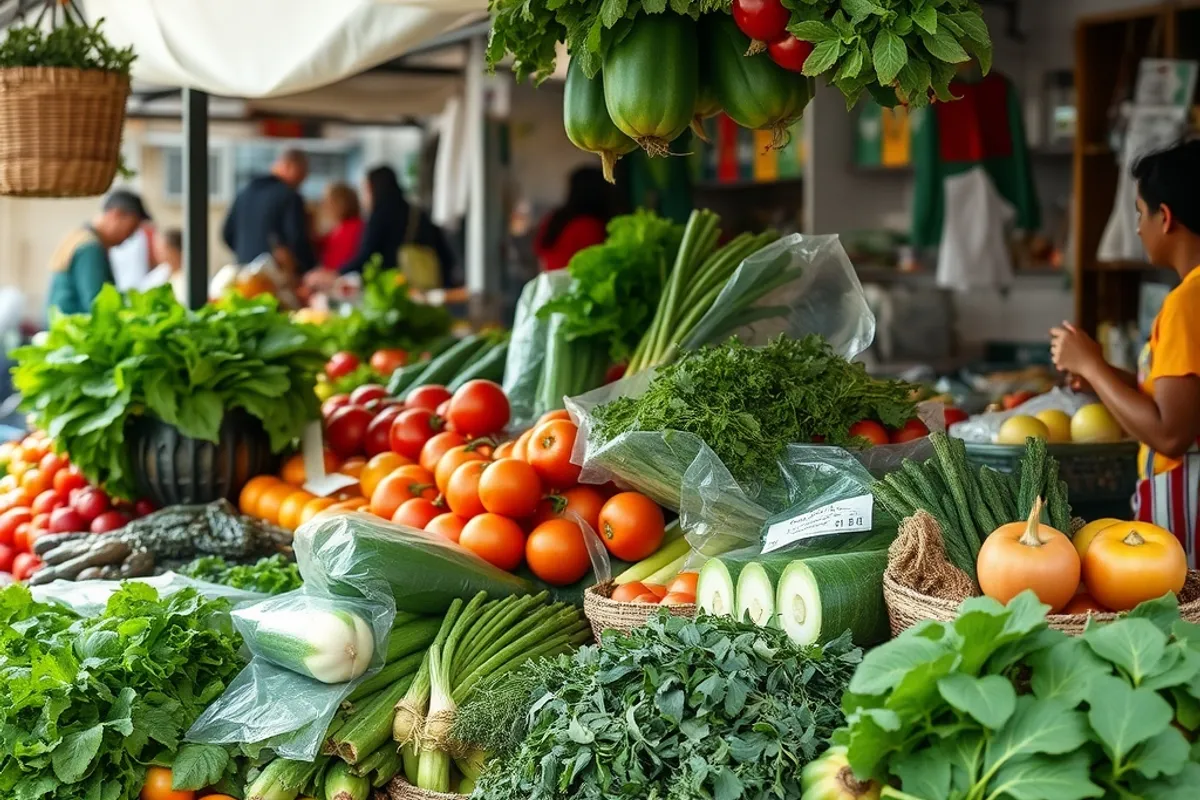
A food journey is not a list of restaurants. It is a way of moving through a place: a market in the morning, a producer in the afternoon, a long lunch that changes the plan for the evening. The best trips leave room for appetite and accident.
Our Food Journeys guides cover how to choose a region, time a visit around the season and eat well without turning every meal into a reservation. We also cover the practical side: budget, dietary needs and the etiquette that matters.
We start with what is grown, caught or made in the region, then find the markets and producers that sell it. A place with one strong ingredient is often a better food destination than a city with fifty famous restaurants.
We build the day around one main meal and one market, not three bookings. Walking, waiting and talking to people are part of the experience, and they need time in the schedule.
The same region tastes different in June and October. We check harvests, fishing seasons and local holidays before recommending a month, because a closed market or an empty restaurant can change the trip.
We also respect the local rhythm. A long lunch is not a delay, and a shop that closes in the afternoon is not a failure of service. The guide should fit the place, not the other way round.
Dietary needs are part of planning, not an afterthought. We explain how to ask clearly, which cuisines are easier to navigate and when to carry a written note in the local language.
A good food journey should not require anyone to take risks with an allergy. If a kitchen cannot answer plainly, we suggest choosing another place rather than hoping for the best.
Read the planning guide before you book, then use the regional list to choose a journey that matches your appetite and budget. A food trip is better with fewer reservations and more curiosity.
Prices and opening hours change. Confirm the essentials with the market or restaurant, and keep one meal unplanned. The best thing you eat may be the thing you did not research.
Plan a food journey that goes beyond restaurant lists: markets, seasons, local cooking, timing and the etiquette that opens doors.
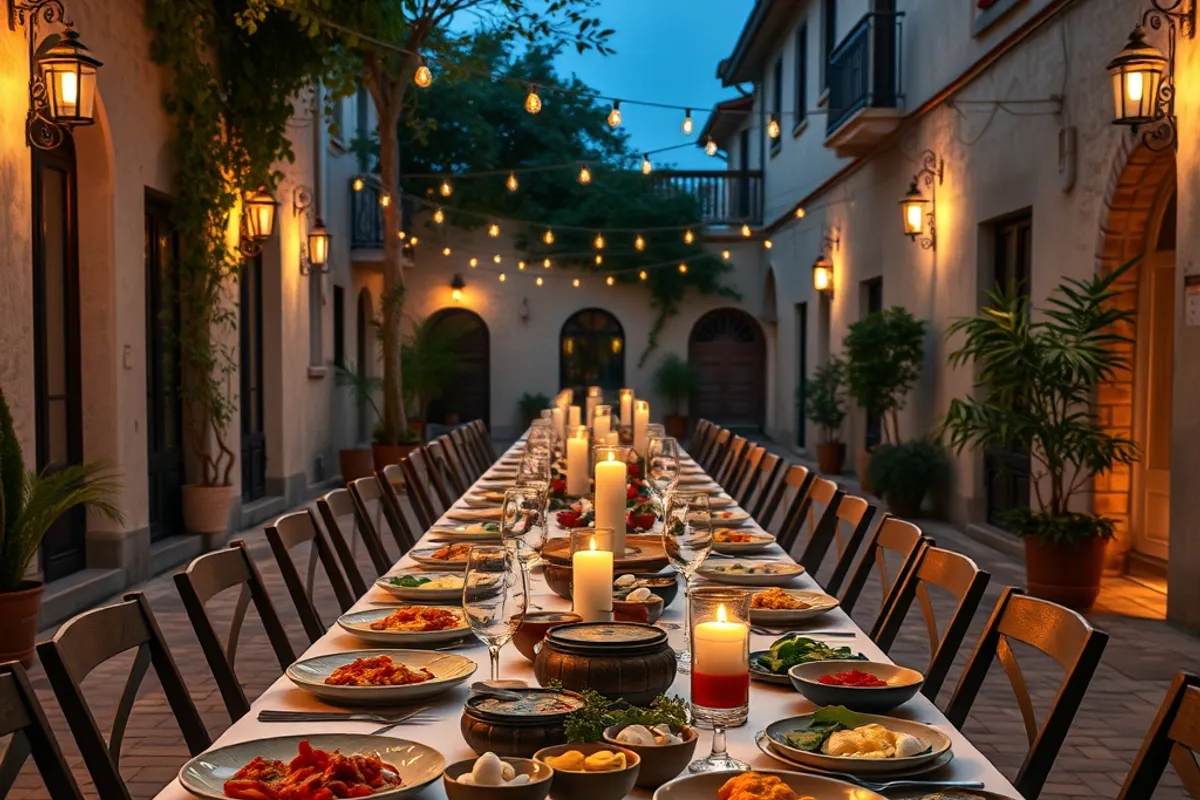
Seven food journeys for 2026, from market towns to coastal fishing villages, with the best season, a dish to seek out and practical timing.