Food Journeys
Best Food Journeys for 2026: 7 Trips Built Around a Table
Seven food journeys for 2026, from market towns to coastal fishing villages, with the best season, a dish to seek out and practical timing.
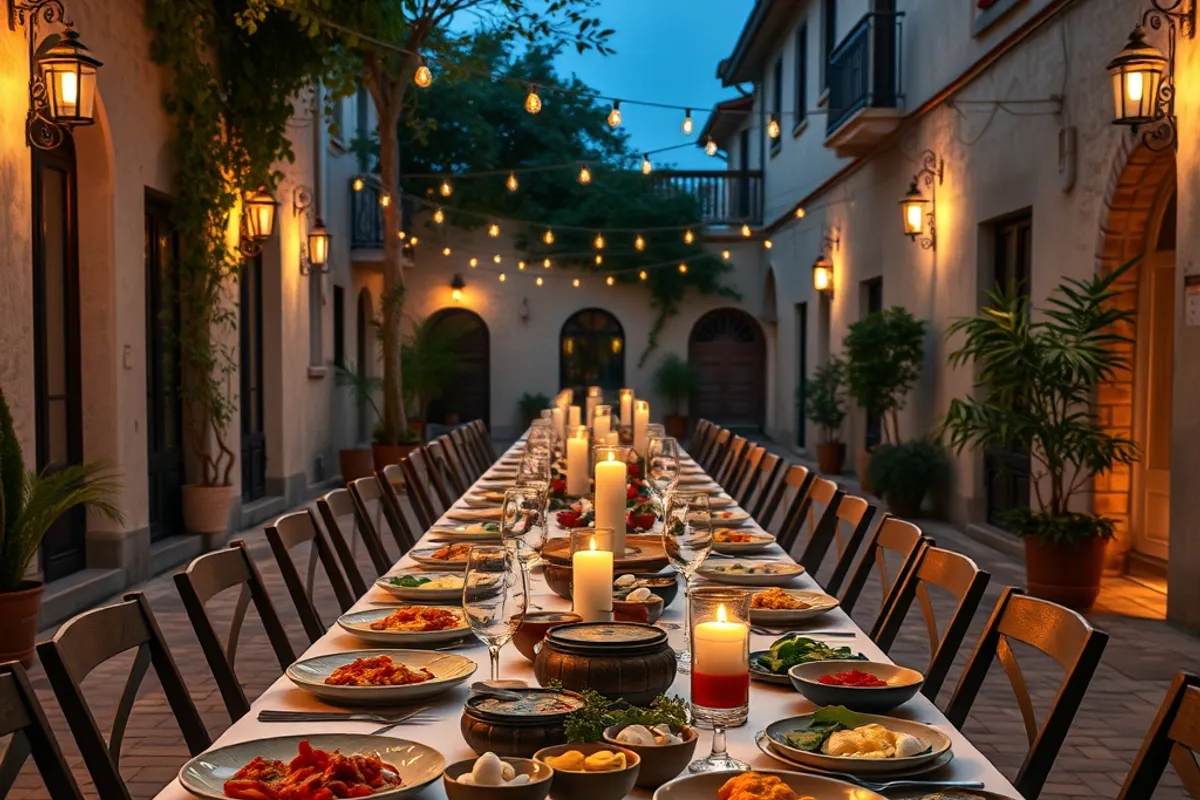
A good food journey has a centre: a market, a harvest, a fishing fleet or a kitchen with a long memory. These seven ideas each have a reason to visit and a season that makes the reason real. Use them as starting points, then build the days around one meal at a time.
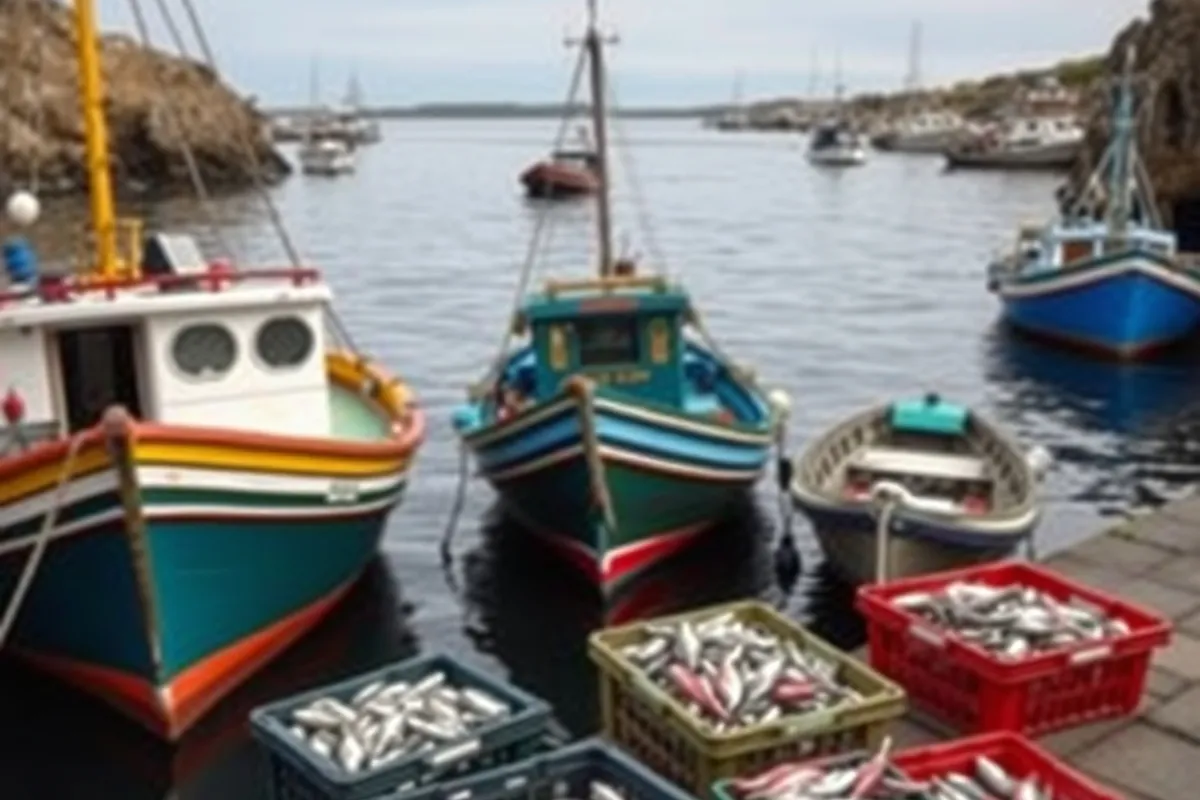
1. The market town week
Best in late spring or early autumn, when the stalls are full but the heat is manageable. Choose a town with a weekly market that serves the surrounding farms, and stay within walking distance of it. Spend the first morning walking the market without buying, then return the next day with a plan.
Ask a vendor what they would cook that night and follow the answer to a simple restaurant or a picnic. The point is not to taste everything; it is to understand what the town eats on an ordinary Tuesday.
2. The coastal fishing village
Best when the boats are working and the weather is calm. A village built around a fleet will have a fish market, a few simple kitchens and a rhythm set by the tide. Go early, ask what came in that morning and eat it simply.
Avoid the places that only open for visitors in high season if you want the real thing. A family kitchen with a short menu and a few tables is usually a better bet. Ask about the catch, not the specials board.
3. The mountain cheese and bread route
Best in summer and early autumn, when the high pastures are open and the bakeries are busy. Small producers often welcome visitors by arrangement, but they are working farms, not attractions. Call ahead, ask what is possible and buy something.
Walk between villages if you can; the best lunch is often a simple plate after a few hours on foot. Carry water and a layer, and check the bus times before you set out. For trail ideas, see our mountain trails list.
4. The wine and olive country drive
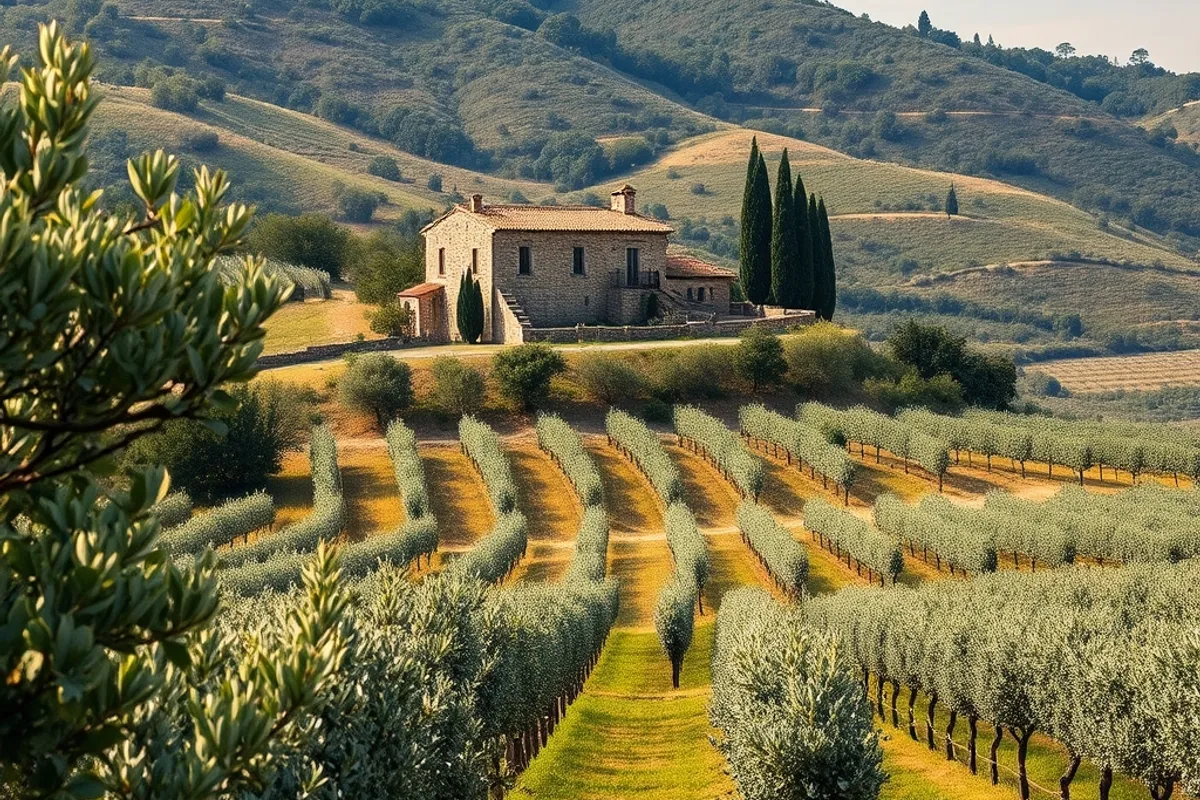
Best in the shoulder season, when the harvest is on and the roads are quieter. Choose a base and two or three small producers within a short drive. Book tastings in advance, appoint a driver and do not try to visit four places in a day.
Ask about the harvest and the work behind the bottle. A tasting with the person who made it is worth more than a large tasting room. Buy a bottle to take home and write the name down; you will want it later.
5. The noodle and street food city
Best for a short city break with a big appetite. Choose a city with a strong breakfast culture and a market that runs into the night. Eat small portions, walk between stalls and keep a bottle of water with you.
Go where the queue is local and the menu is short. Ask what is fresh and watch how it is made. If a stall has been in the same spot for decades, that is usually a better signal than a recent review.
6. The harvest festival
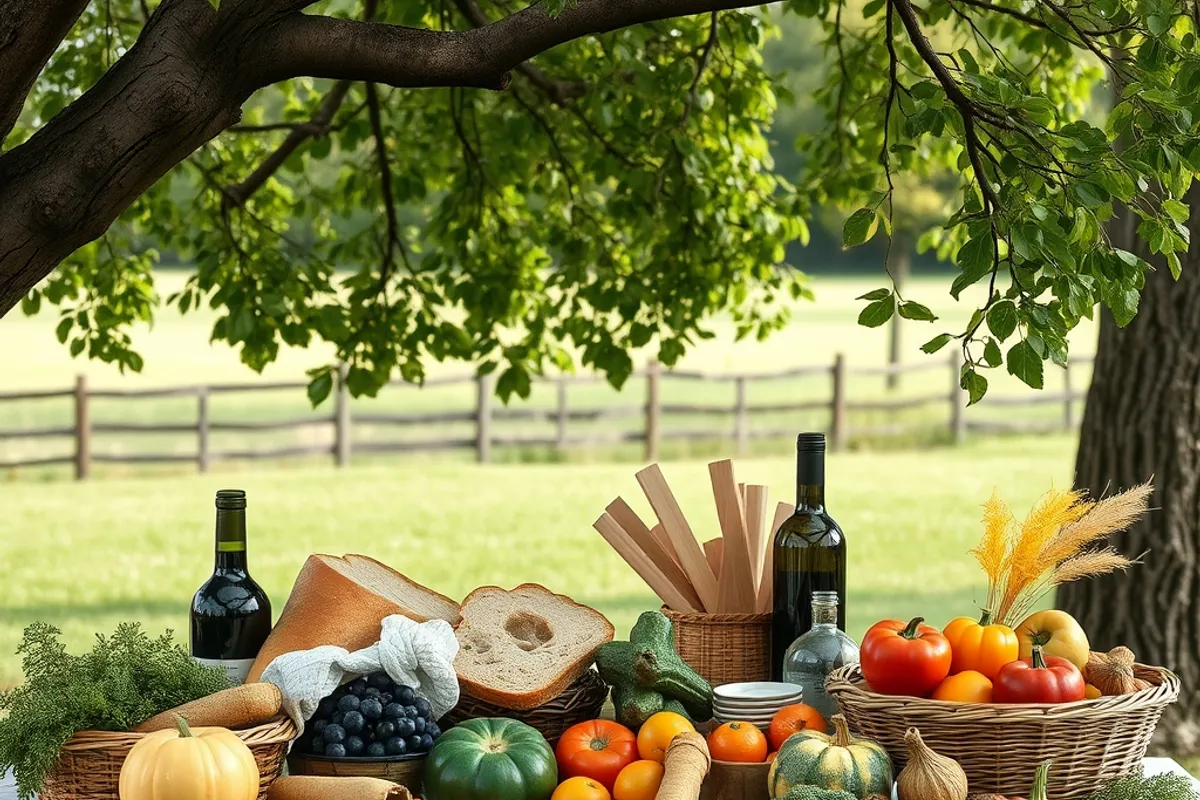
Best when you plan well ahead. A harvest festival can be the centre of a trip, with long tables, music and food made from the local crop. Book accommodation early, expect higher prices and confirm what is included.
Arrive a day before and stay a day after. The festival itself is busy; the quiet mornings around it are often the best part. Ask a local what to see nearby and build a short walk or a market visit around the event.
7. The cooking-school stay
Best for travellers who want to learn rather than only taste. A multi-day cooking stay with a small group can be excellent value, with market visits, lessons and shared meals. Check the group size, the language and how much you will actually cook.
Ask for the menu in advance and be honest about what you can eat. A good school will adjust, but it needs notice. For a slower stay nearby, our boutique hotel stays guide has options that suit food-led trips.