Mountain Trails
Best Mountain Trails in 2026: 7 Walks Worth the Climb
Seven mountain trails for 2026, from easy ridge walks to multi-day routes, with access, season, difficulty and honest notes on crowds.
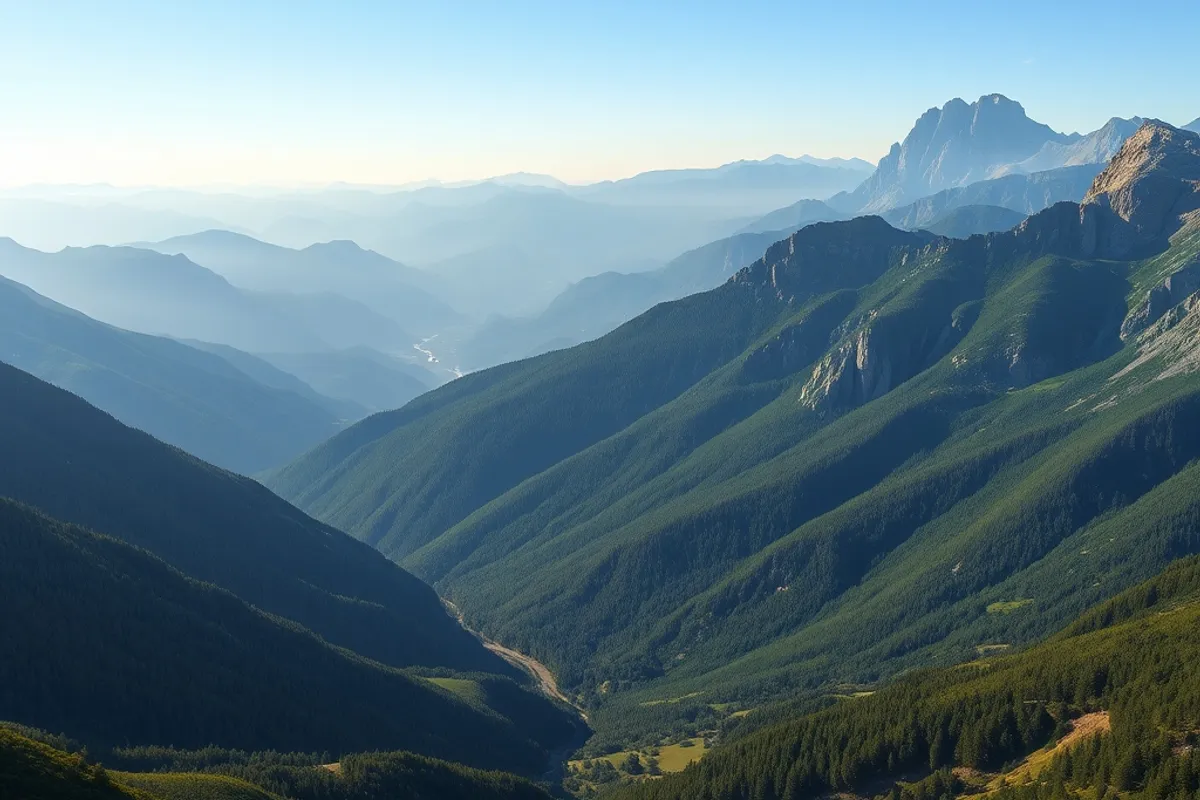
The best mountain trail is the one that fits your day. A famous summit can be miserable in bad weather or with a late start, while a lower ridge can be the highlight of a trip. These seven ideas are grouped by effort, with notes on access, timing and the honest difficulty of each.
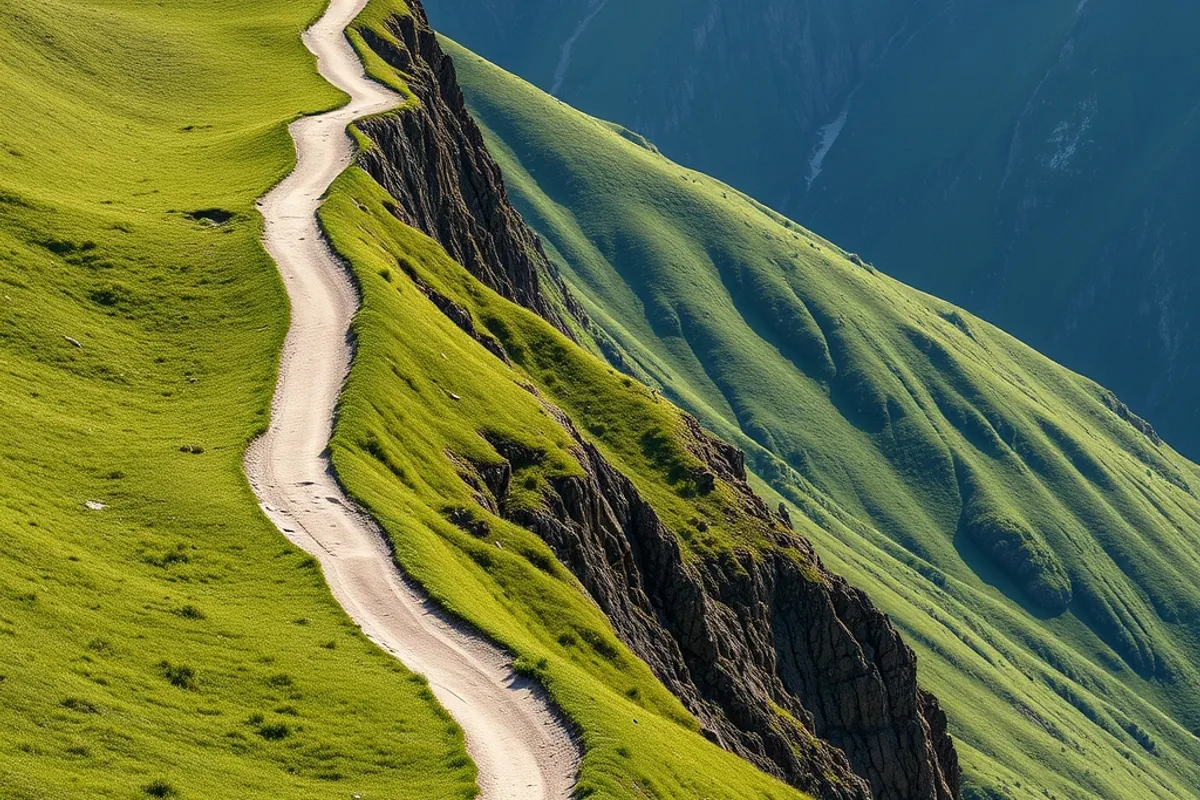
1. The valley floor warm-up
Best for a first day or a recovery day. A flat or gently rolling valley path gives you mountain views without the climb, and it is usually easier to reach by public transport. Look for a route that links two villages, so you can walk one way and take a bus back.
Do not dismiss it as too easy. Valley walks are where you adjust to the heat and the altitude, and they often pass through the best farmland and village life. Carry a layer anyway; shade can be scarce and the temperature drops quickly.
2. The waterfall and forest loop
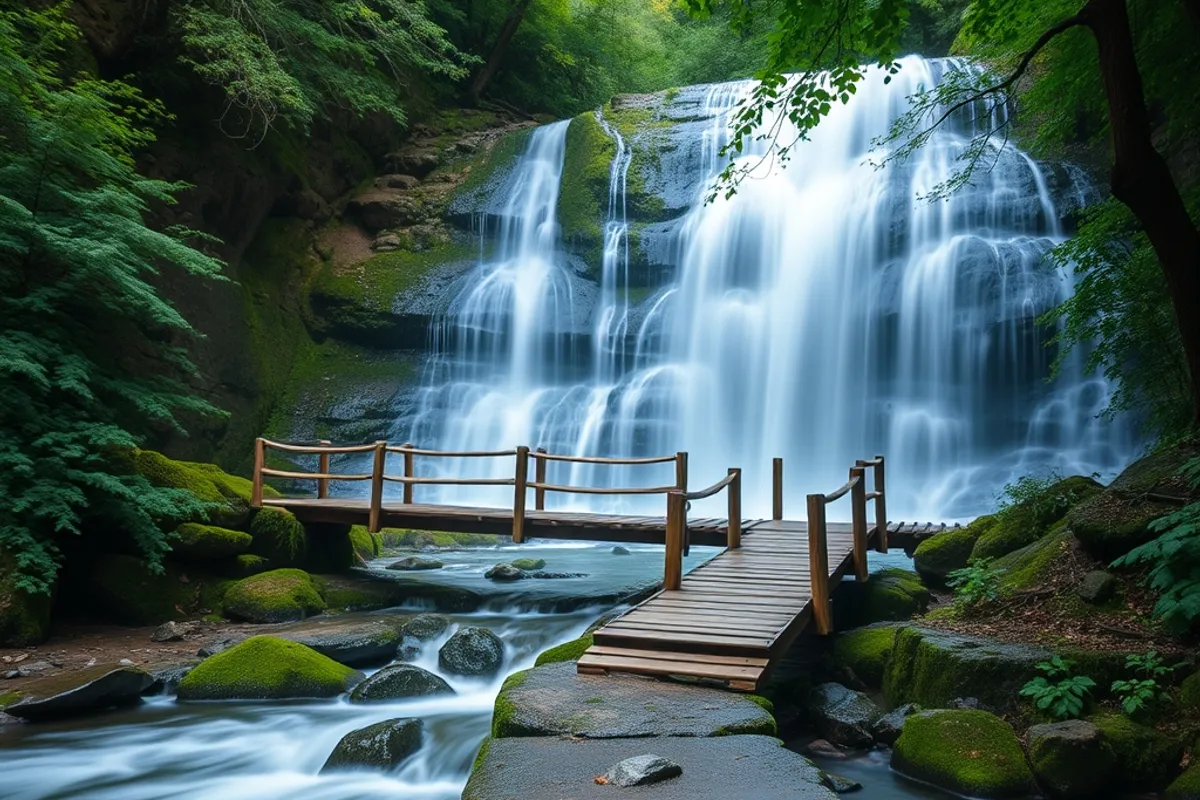
Best for a shorter day with reliable interest. A loop through forest to a waterfall gives you a destination without a summit, and the trees offer shelter if the weather turns. The path can be muddy and slippery near the water, so wear boots with grip.
Go early in the day when the light is soft and the car park is empty. Many waterfall loops are popular with families, which is a good sign for access but a reason to avoid midday in high season.
3. The half-day ridge
Best when you want a view and a proper walk without a full day. A ridge route usually offers a steady climb and a long section of open walking with views on both sides. Check the exposure and the wind forecast; a ridge can be comfortable in calm weather and serious in gusts.
Start early, carry water and set a turnaround time. If the ridge is busier than expected, find a quieter side path or save it for another day. The best photographs are often from the shoulder of the ridge, not the crowded high point.
4. The summit day
Best for experienced walkers with a full day and a good forecast. A summit route adds altitude, usually more ascent and a longer descent. Go with a clear turnaround time, enough food and a head torch in case the day runs late.
Do not treat a summit as the only measure of a good walk. If the weather closes in, turning back at the col is the right decision. A mountain will still be there; a safe return matters more than a photograph.
5. The multi-day traverse
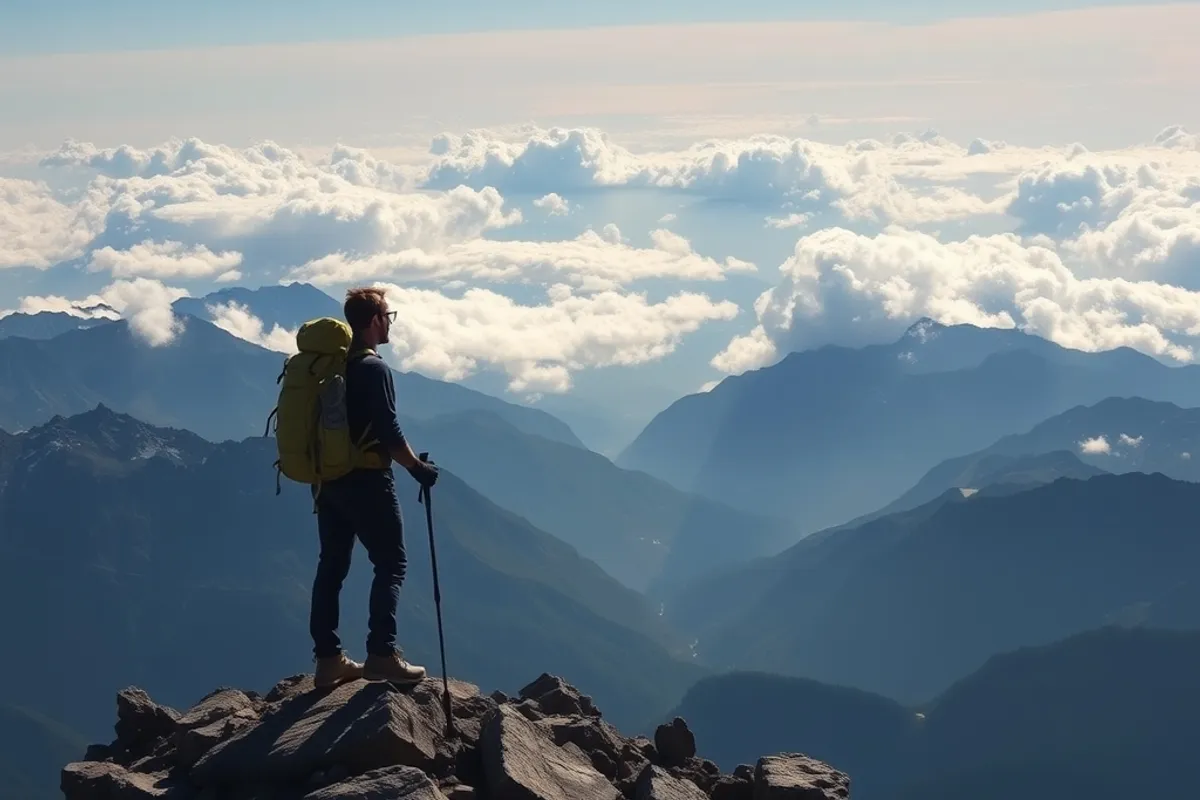
Best for fit walkers who want to sleep in the mountains. A multi-day route needs more planning: huts or camping, food, water sources, permits and a way out if the weather changes. Book accommodation in advance and check what is included.
Keep the daily distance modest. A route that looks easy on paper becomes harder with a full pack and a change in altitude. A rest day or a short stage in the middle makes the whole trip more enjoyable.
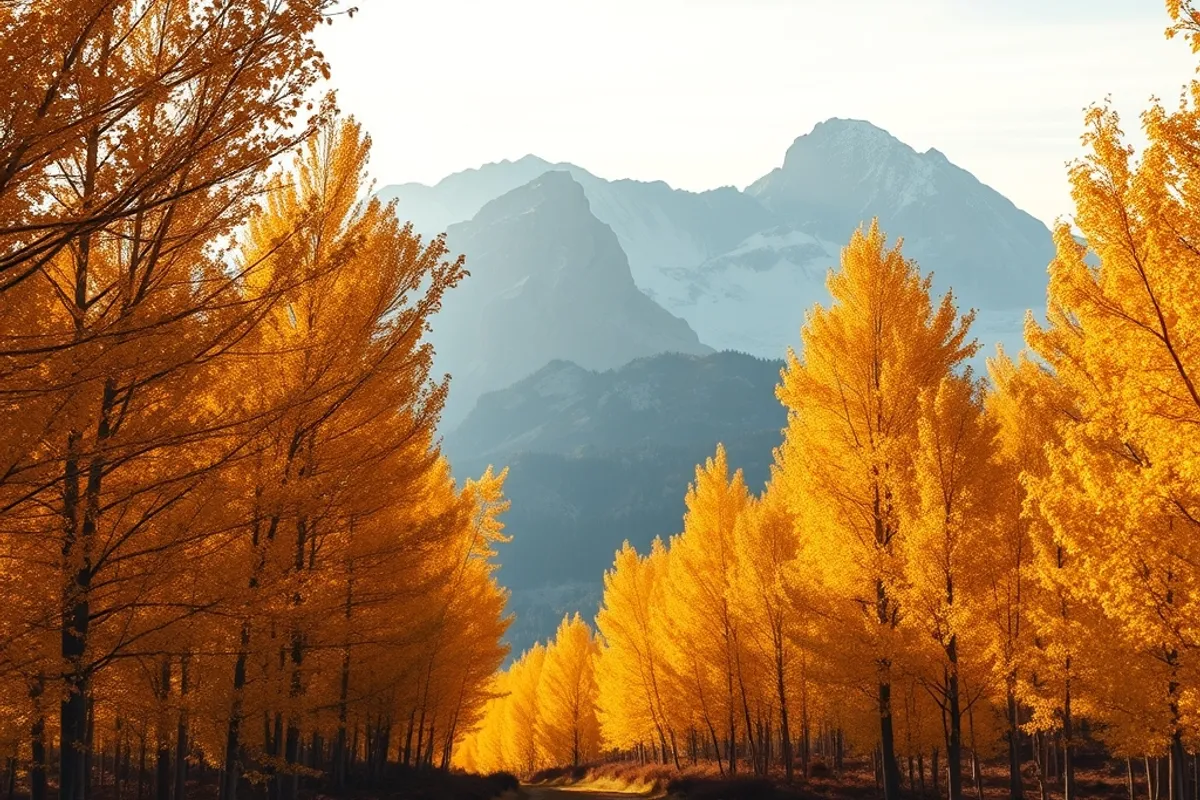
6. The autumn colour walk
Best for a short break in the shoulder season. Autumn light is soft and the crowds are thinner, but the weather is less predictable. Check the leaf season locally, because it moves by a week or two each year, and carry a warm layer for the shaded sections.
Avoid stopping on narrow roads to photograph the trees. Use a proper car park and walk a short distance into the forest. The best colour is often a few minutes away from the viewpoint.
7. The sunrise viewpoint
Best for photographers and early risers. A short pre-dawn walk to a viewpoint can be the most memorable hour of a trip, but it needs planning: a known path, a head torch, warm clothes and a clear exit route. Do not attempt an unfamiliar ridge in the dark.
Check the sunrise time and allow more time than you think. A flask of something hot and a sit mat make the wait comfortable. If the cloud is low, stay in bed and try the evening light instead. For planning, use our mountain trail planning guide.