Mountain Trails
Mountain Trails 2026: A Planning Guide for First-Time Hikers
Plan a mountain trail with confidence: route grading, weather windows, gear, altitude and the turnaround rules that keep a day hike safe.
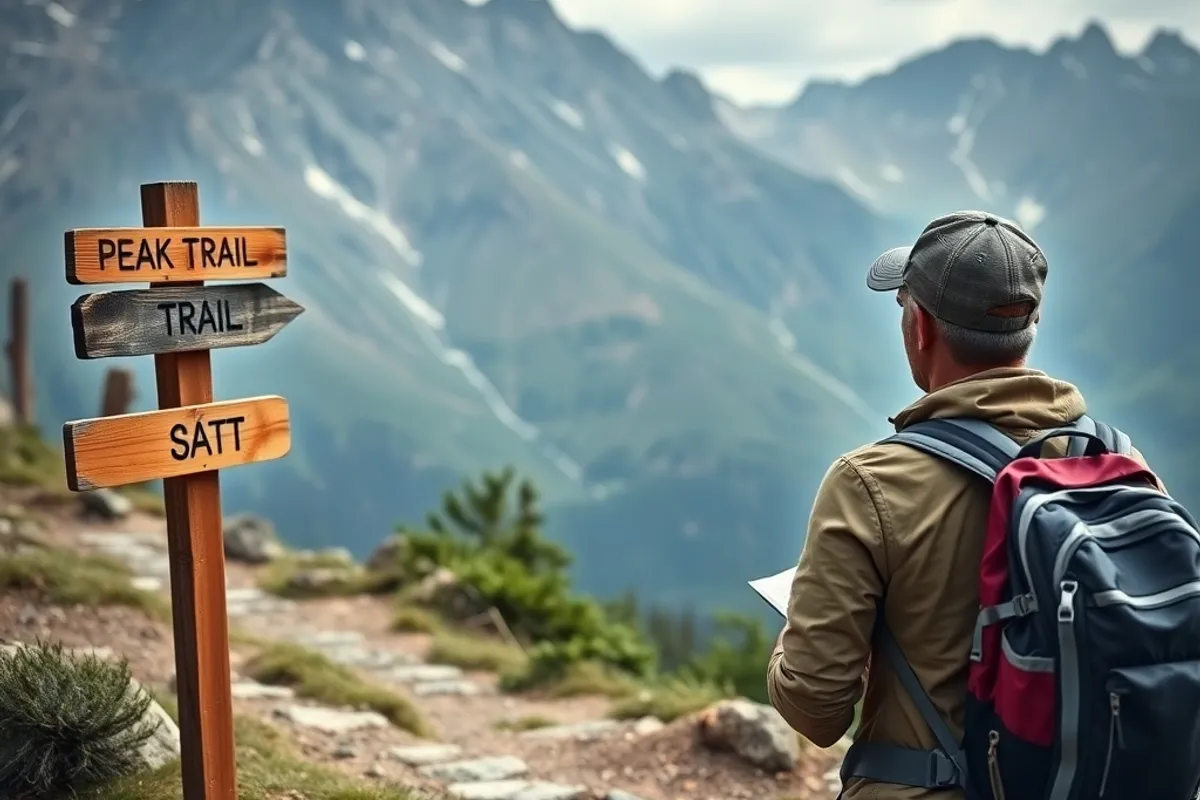
A mountain trail is a day shaped by weather, altitude, daylight and the distance back to the car. The difference between a great day and a long one is usually preparation, not fitness. A first mountain walk should feel like a discovery, not a test of endurance.
Read the grade properly
Trail descriptions often lead with distance, but distance alone tells you little. Check the ascent, the terrain and the exposure. A six-kilometre path with 700 metres of climb is a different day from a flat six-kilometre valley walk, and a ridge can be hard in wind even when it is short.
Look for honest words in the route notes: loose, steep, exposed, pathless, boggy. If a route is described as requiring hands or navigation, treat it as a step up. A guidebook grade is a starting point; the weather on the day decides the real difficulty.
The summit is optional. Getting back before dark is not.
Choose a weather window
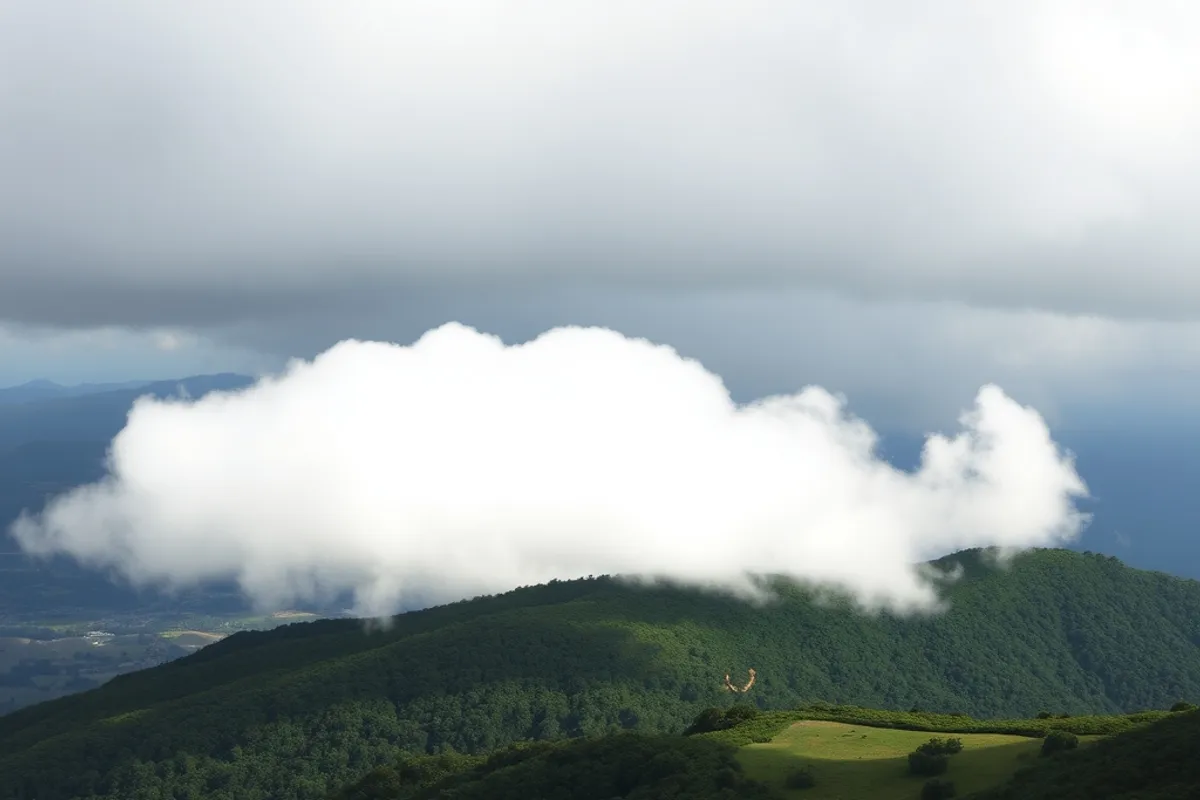
Mountain weather changes faster than a forecast. Cloud can arrive in minutes, and wind on a ridge can be far stronger than in the valley. Start early, check the afternoon forecast and be willing to change the plan. A lower walk in good visibility is better than a high one in cloud.
If thunder is possible, avoid exposed ridges and summits. If rain is likely, choose a route with tree cover and a straightforward descent. The best first mountain day is the one that leaves you wanting another.
Pack the small kit that matters
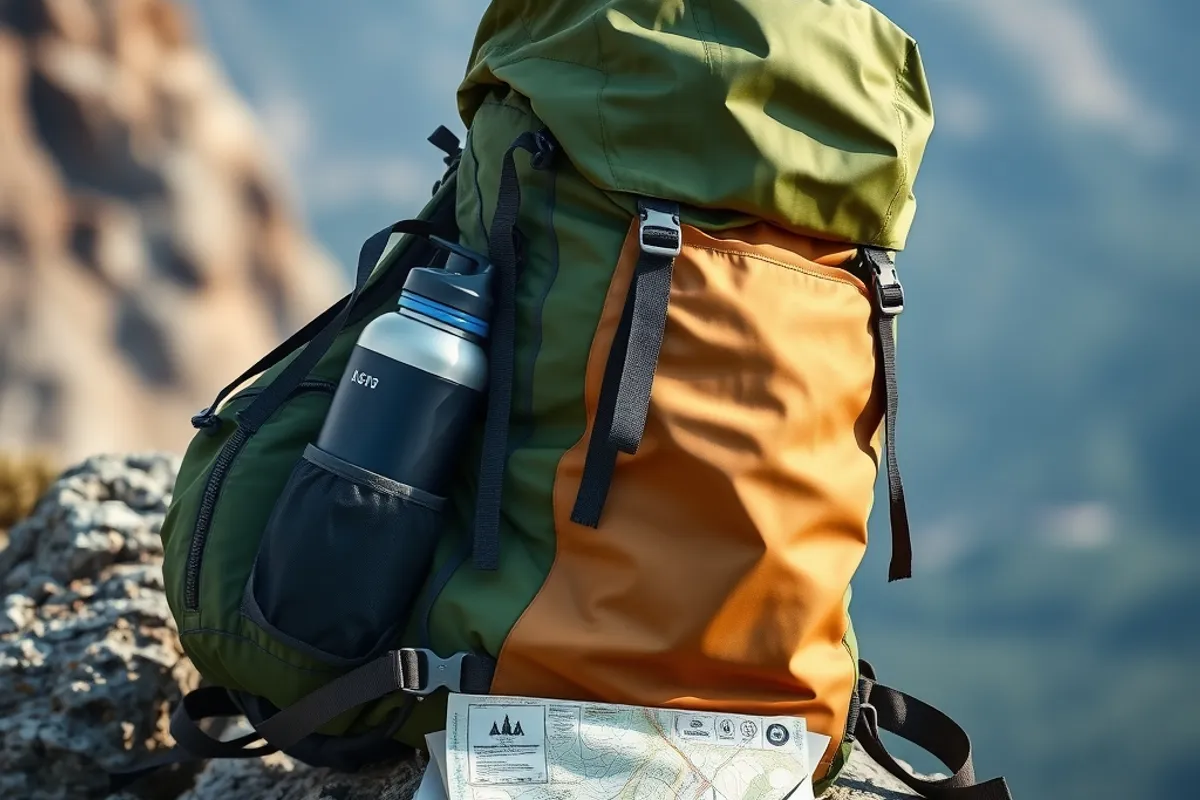
You do not need much: broken-in boots, a waterproof shell, a warm mid layer, water, food, a head torch and a basic first-aid kit. Add a map or an offline route, a power bank and a warm hat. Everything else is optional and adds weight.
Dress in layers rather than one thick jacket. You will warm up on the climb and cool down at lunch, and a layer you can remove is more useful than a jacket you cannot. Avoid cotton next to the skin in cool weather; it holds moisture and chills you when you stop.
Set a turnaround time
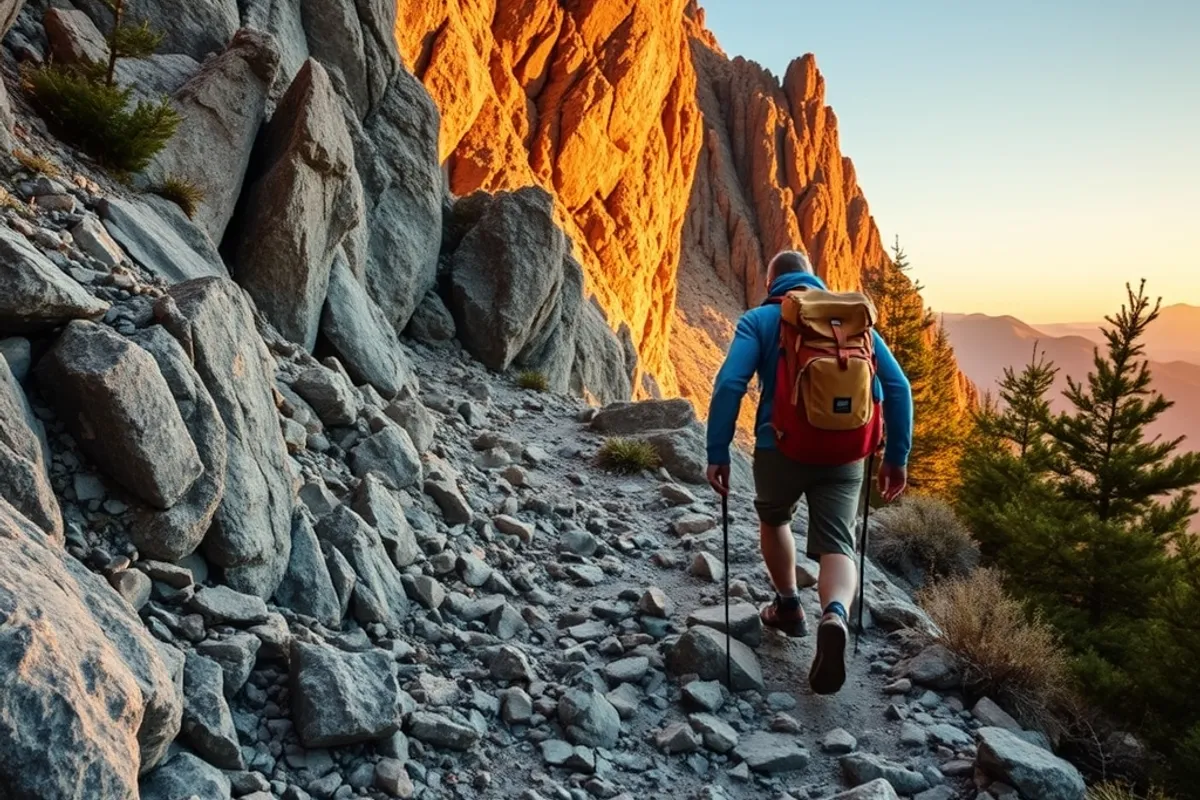
Decide the latest time you will turn around before you start. Write it down and stick to it, even if the summit looks close. Most accidents happen on the descent, when legs are tired and light is fading. Turning back is part of a good plan, not a failure.
Allow more time than the guidebook suggests, especially with stops, photographs and a group. A steady pace with short breaks beats a fast start and a long recovery. If you are unsure, choose a shorter route and finish with energy to spare.
Prepare for altitude and heat
Altitude affects people differently. If you are sleeping high or walking above 2,500 metres, take the first day slowly and drink more than you think you need. Headache, nausea and unusual tiredness are reasons to descend, not push on.
Heat is the other quiet risk. Start early, carry more water than you expect to drink and eat salty snacks. A sun hat and sunscreen matter on snow as well as in summer. For route ideas, see our list of mountain trails worth the climb.