Scenic Routes
Best Scenic Routes for 2026: 7 Drives With a Reason to Stop
Seven scenic drives for 2026, from coastal lanes to mountain passes, with the best season, a stop to plan around and honest driving notes.
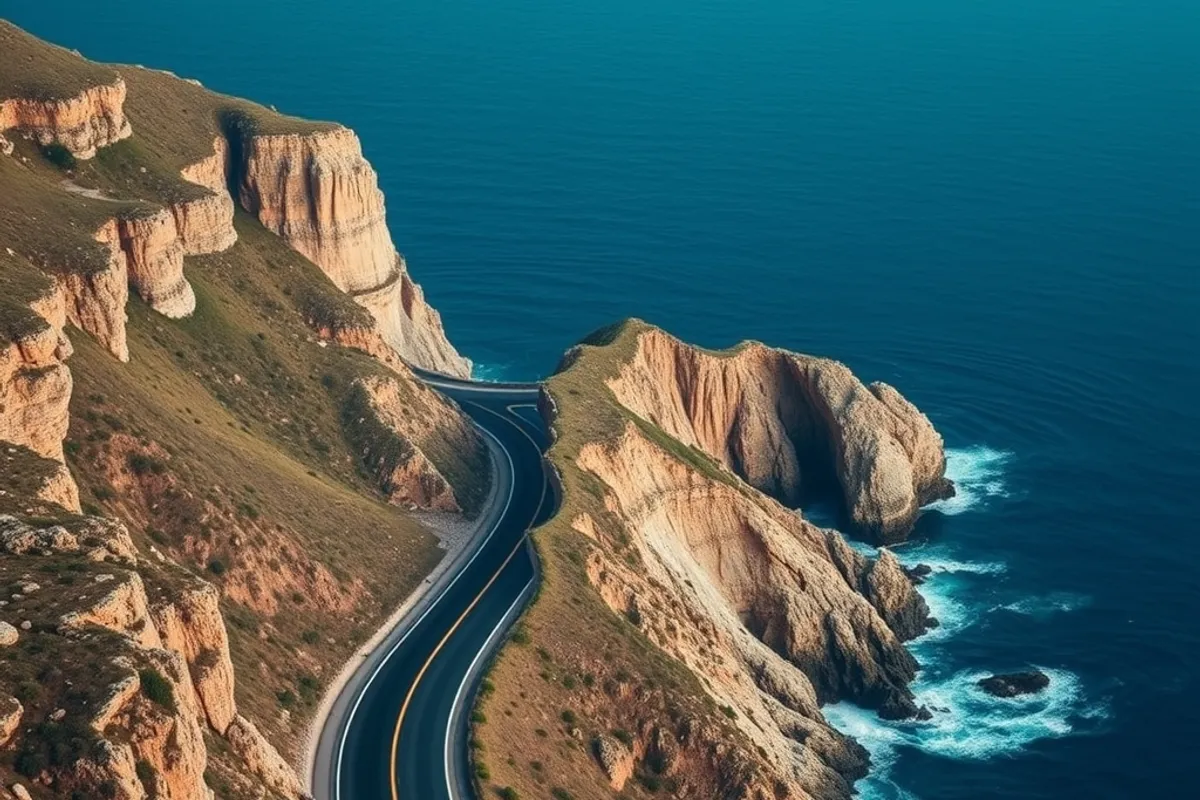
The best scenic routes are not only about the view. They have a rhythm: a coast, a pass, a village, a place to eat and a reason to get out of the car. These seven ideas are grouped by landscape, with the season and the stop that makes the drive worth the fuel.
1. The coastal cliff road
Best in late spring and early autumn, when the light is clear and the traffic is lighter. The appeal is the sequence of headlands and small harbours, each worth a short stop. Drive it in the direction that keeps the sea on your left if you are the passenger who wants the view.
Watch for narrow sections and passing places. Do not stop on a blind bend for a photograph; wait for a marked viewpoint. A fishing village with a harbour cafe is a better lunch stop than a roadside restaurant with a view.
2. The high mountain pass
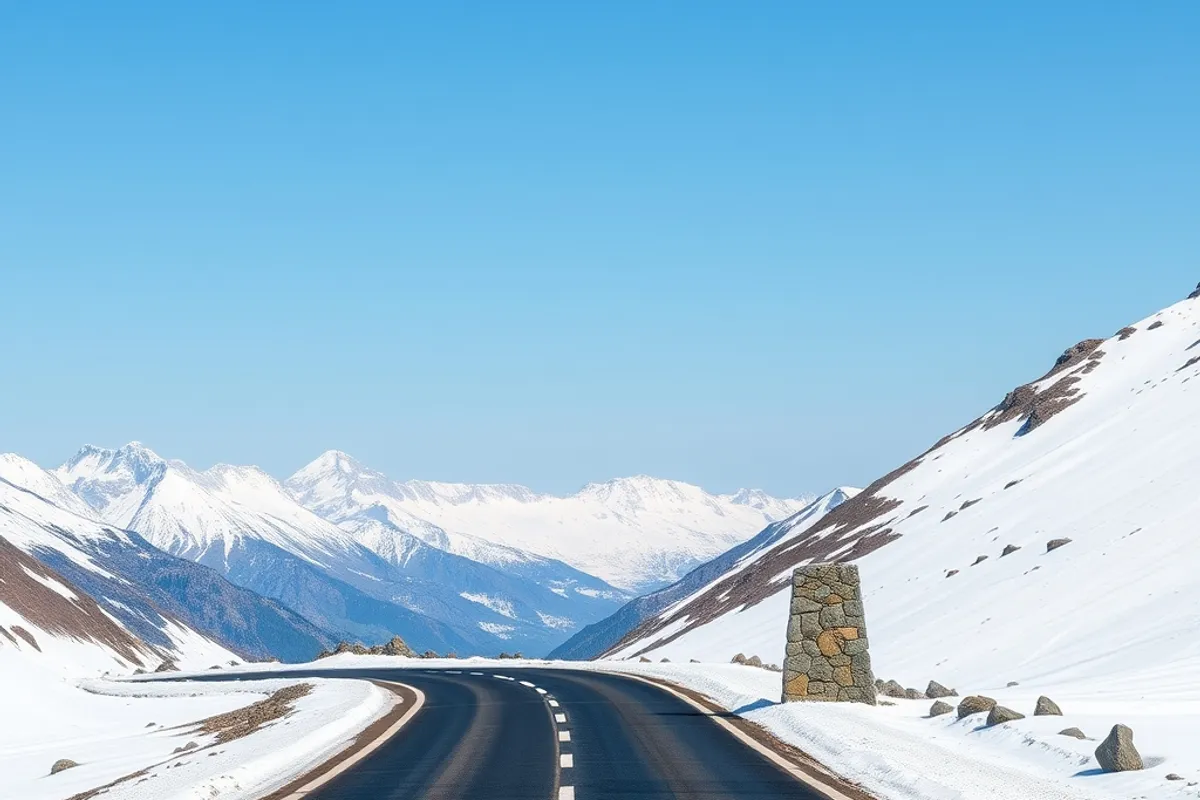
Best in summer and early autumn, when the pass is open and the weather is stable. A high pass gives you a dramatic change of landscape in a short distance, but it is exposed to wind, fog and sudden rain. Check the closure status before you set out.
Start early, drive slowly and use a lower gear on the descent. If the summit is in cloud, turn around or wait; the view is the point, not the crossing. Carry a warm layer even in summer, because the temperature at the top can be far lower than at the coast.
3. The wine country loop
Best in the harvest season, when the vineyards are busy and the light is golden. A loop through wine country works best with two or three stops and a booked tasting. Keep the driving short and the meals long.
Appoint a driver or book a local transfer for the tasting day. Rural roads can be narrow and tractors are common. Do not rely on a map app for every turn; a paper map and a sense of direction are useful when signal drops.
4. The desert or badlands road
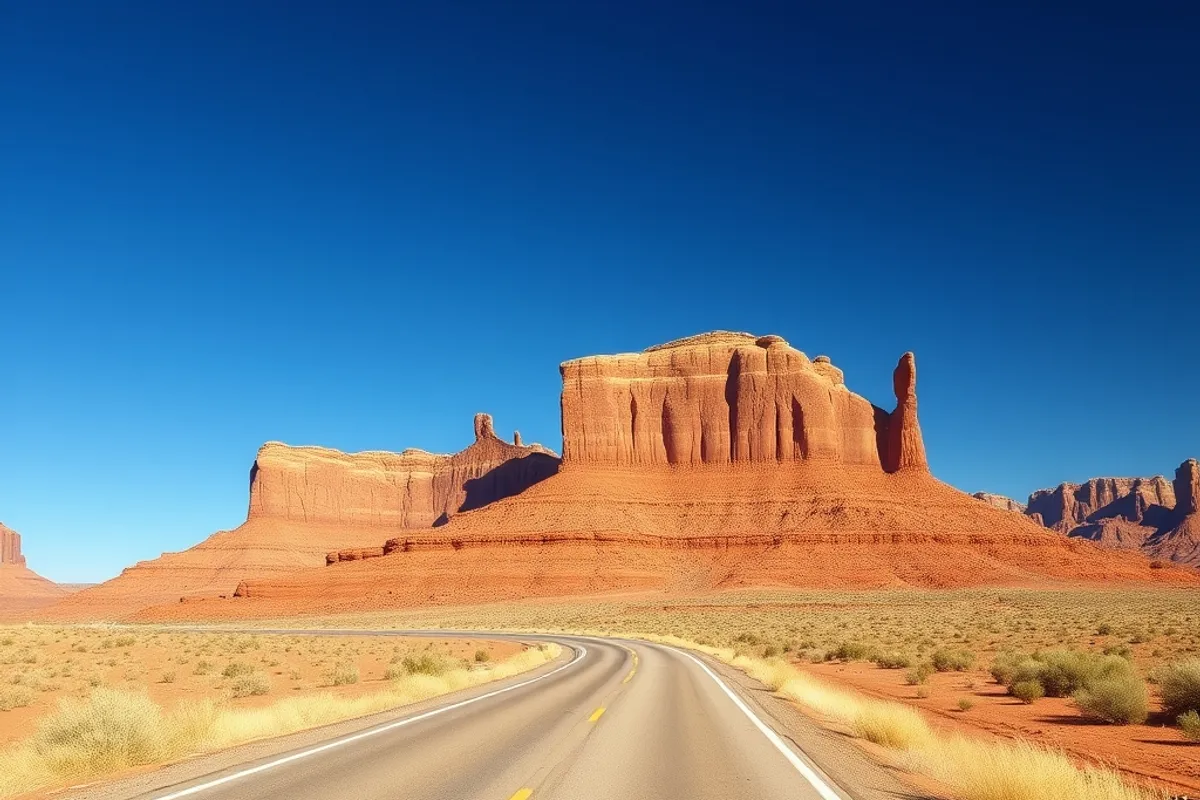
Best in the cooler months, when the heat is manageable and the shadows are long. Desert roads are beautiful and unforgiving: long gaps between services, extreme temperatures and little shade. Carry more water than you need and tell someone your route.
Do not walk far from the car without a plan. A wrong turn in a badlands landscape can be hard to correct, and the light fades quickly. A sunrise or sunset drive is usually better than midday, both for comfort and for colour.
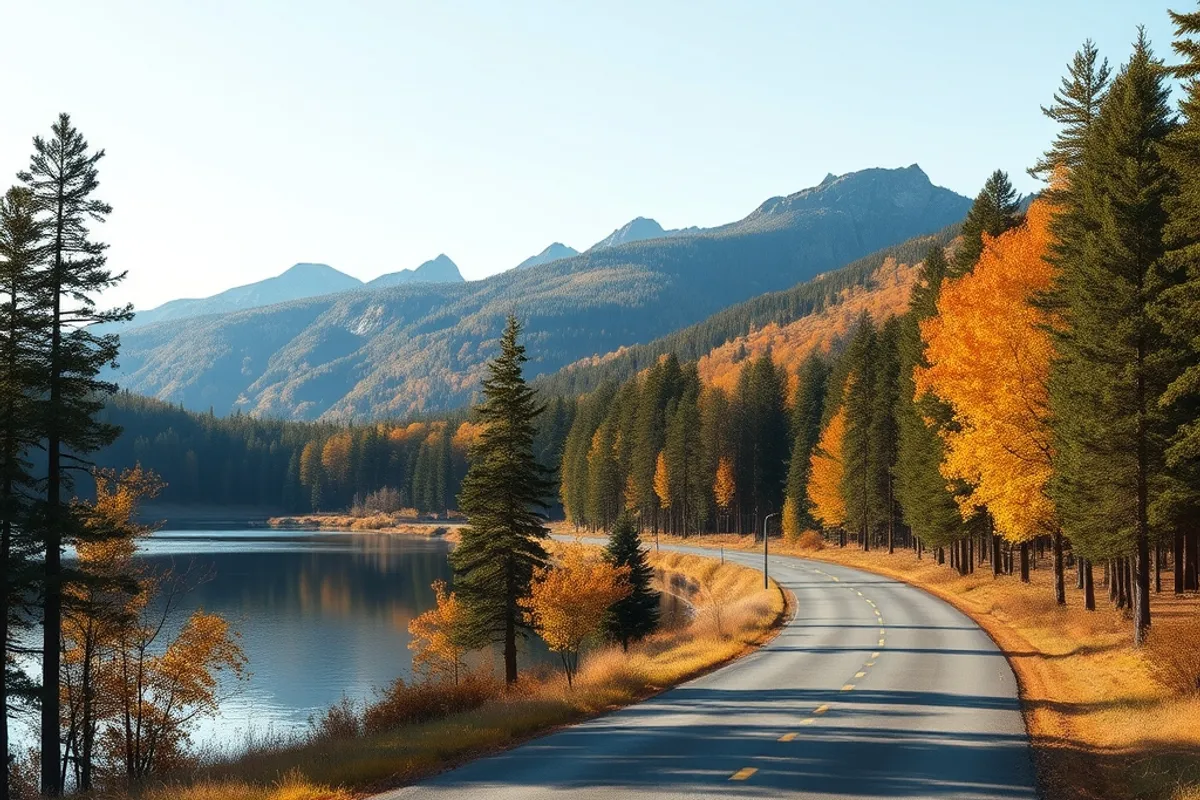
5. The forest and lake route
Best in autumn for colour or early summer for long light. A road that links lakes and forest is easy to drive and full of short walks. Plan a lakeside stop with a swim or a picnic, and keep the driving to a few hours.
Watch for wildlife at dawn and dusk, especially in forested areas. Slow down, use lights and do not feed animals. A quiet lake at the end of the day is worth more than a long list of viewpoints.
6. The historic village road
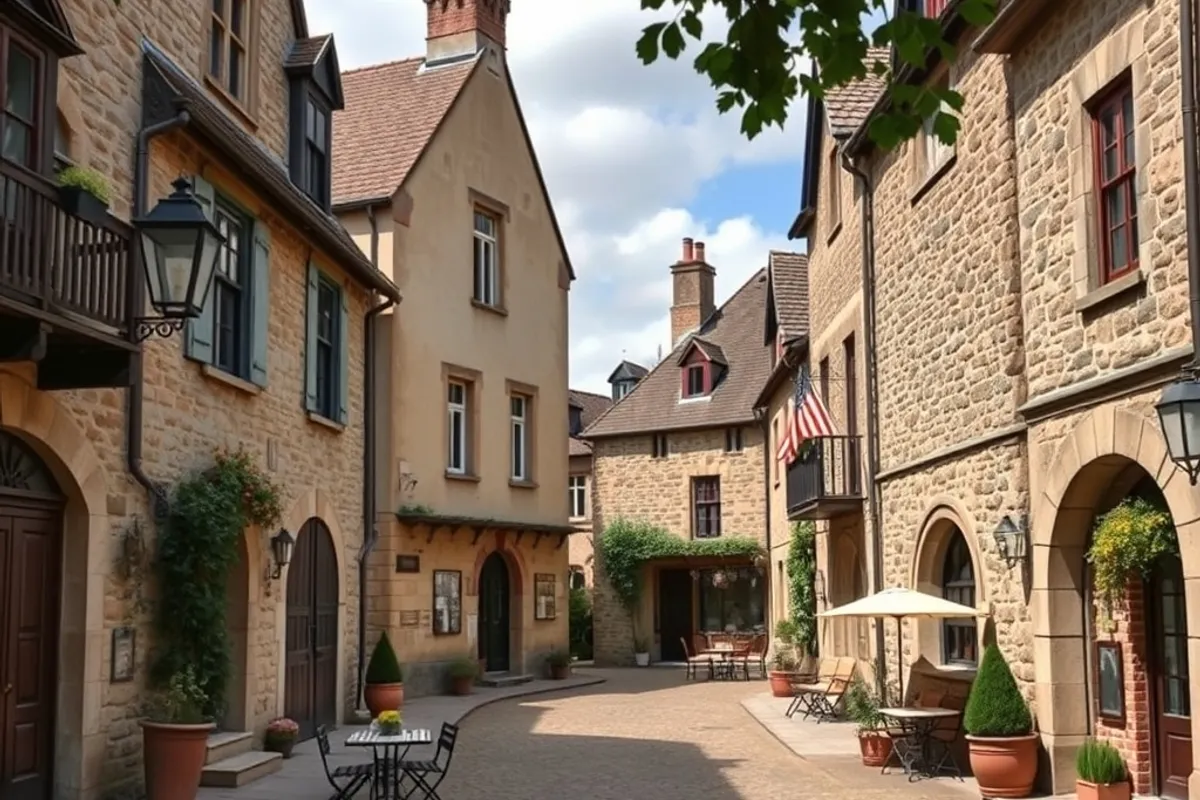
Best in spring or autumn, when the villages are quiet and the light is soft. The drive is a chain of small places with a church, a square and a cafe. Stop for one long lunch and one short walk, and leave the rest for another trip.
Park outside the village centre and walk in. Narrow streets are not built for cars, and a short walk is part of the experience. Buy something from a local shop and ask about the road ahead.
7. The island coastal loop
Best outside the busiest weeks, when the ferry and the road are calmer. An island loop can combine a short crossing with a day of coastal driving and a beach stop. Book the ferry in advance and check the last return sailing.
Keep the loop short enough to walk in the evening. An island road can be slower than it looks, and missing the last ferry is an expensive mistake. For the boat side of the trip, read our island hopping route planning guide.