Island Hopping
Island Hopping 2026: How to Plan a Route That Actually Works
A practical island-hopping plan for 2026: ferry timing, baggage, weather buffers and the route order that keeps a multi-island trip calm.

Island hopping fails on the boring details, not the beach. A late ferry, a bag that will not fit in the cabin and a hotel on the wrong side of the harbour can turn a relaxed week into a sequence of small emergencies. The good news is that the fix is mostly ordering: choose the boat, then the base, then the bed.
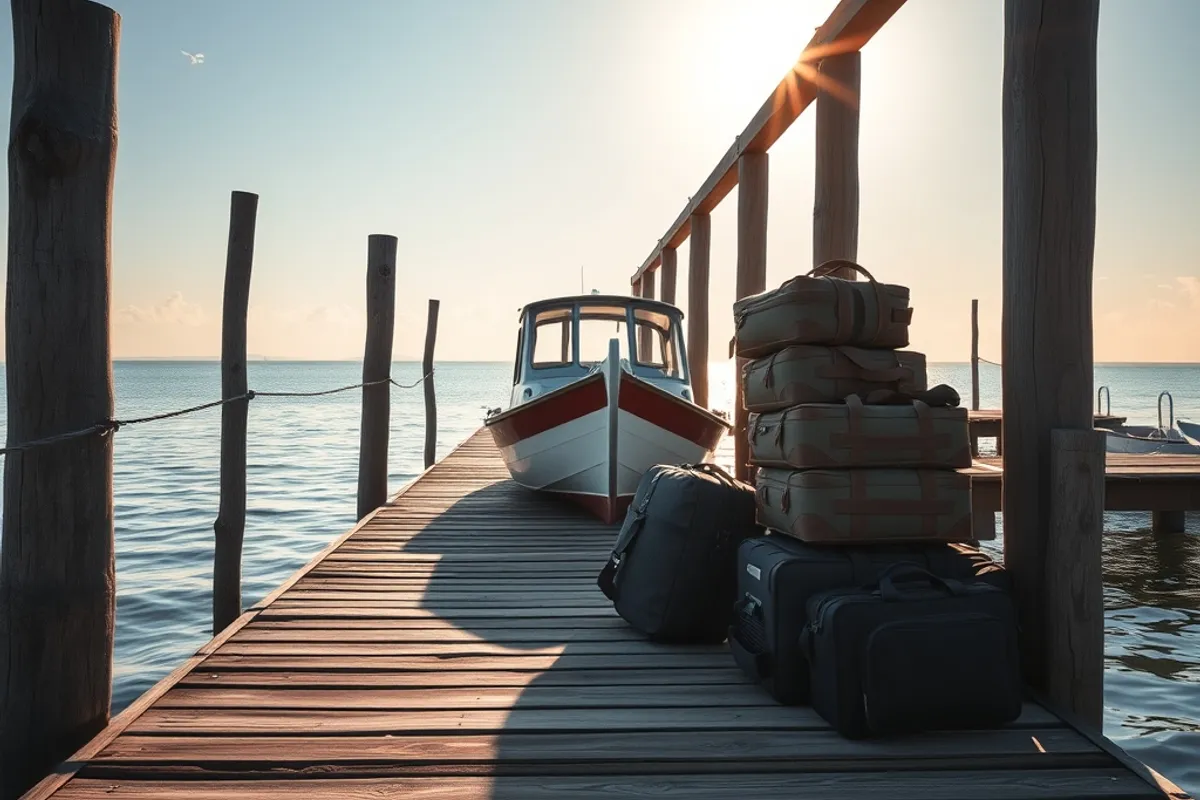
Start with the boat, not the hotel
Sailing frequency decides what is possible. A route with one crossing a day gives you far less room than a route with four, even if the islands are close together on the map. Write down the first and last sailing for each leg, then see which hotels can be reached comfortably.
Check the baggage rules too. On small ferries, a large suitcase can be awkward or charged as freight, and the gangway may be steep. A soft bag that you can carry yourself is worth more than a fourth pair of shoes. If you are travelling with children, confirm whether the boat has shade, toilets and a place to sit.
The island schedule is weather, boats and tides. Everything else can wait.
Choose two bases, not five
Every move costs half a day: packing, checkout, the walk to the port, the crossing, the transfer and the new check-in. Three islands in a week can work if the crossings are short and frequent. Five islands in a week is usually a luggage-handling exercise with a sea view.
Pick one main base and one contrast. A lively harbour town followed by a quiet beach island is a better combination than two similar towns. If you want to see more, take a day trip from the base instead of moving the whole bag.
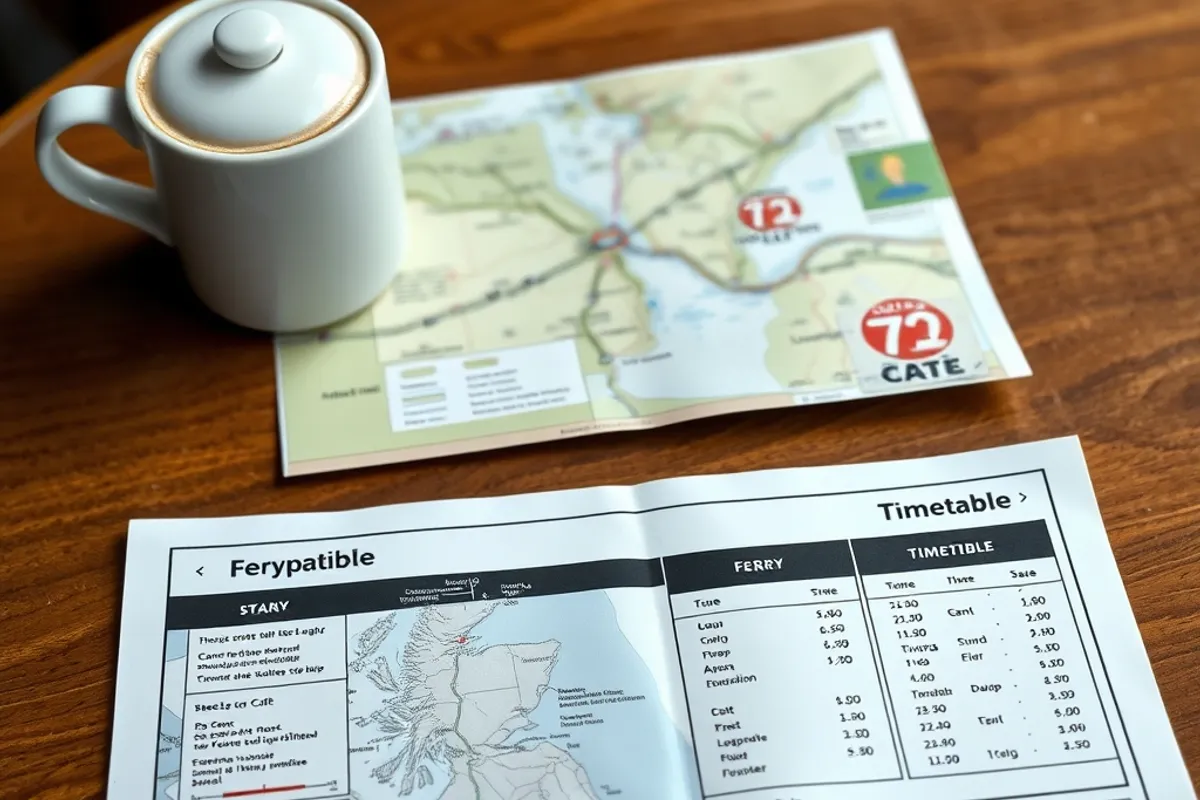
Build the route in one direction
A loop that returns to the mainland is easier than a chain that ends on a remote island. If the final island has a small airport, check the flight frequency before you rely on it. A cancelled flight on the last day is much worse than a cancelled ferry in the middle of the trip.
Keep the last night near the airport or the main ferry terminal. That buffer turns a tight connection into a calm morning. If you have an early flight, staying on the mainland is usually worth the extra hotel cost.

Plan for the day the boats stop
Wind and swell can cancel a crossing with little notice. Ask the hotel what happens if the boat is cancelled: can you stay another night, and at what rate? A flexible booking is part of the budget, not an optional extra.
Keep one unplanned day in the middle of the trip. Use it for the long walk, the boat trip or simply a lazy lunch. If the weather is bad, switch to a village, a museum or a covered market. A plan with slack is how you avoid spending a rainy day frustrated in a room.

Count the whole cost
Add the mainland transfer, the port taxi, the ferry, the island transfer and any excess baggage to the room rate. On small islands, a short water taxi can cost more than a night in a guesthouse. Keep some cash for operators who do not take cards.
For route ideas by budget and pace, see our guide to the best island hopping routes for 2026. For the driving side of a coastal trip, read our scenic route planning guide.