Island Hopping
Best Island Hopping Routes for 2026: 7 Ideas for Every Pace
Seven island-hopping routes for 2026, from short two-island breaks to slow week-long chains, with ferry notes, costs and the best months to travel.

The best island route is not the one with the most islands. It is the one where the crossings fit the week, the bases suit your pace and the weather has somewhere to go when it changes. These seven ideas are grouped by rhythm rather than ranking, so you can match a route to the trip you can actually take.
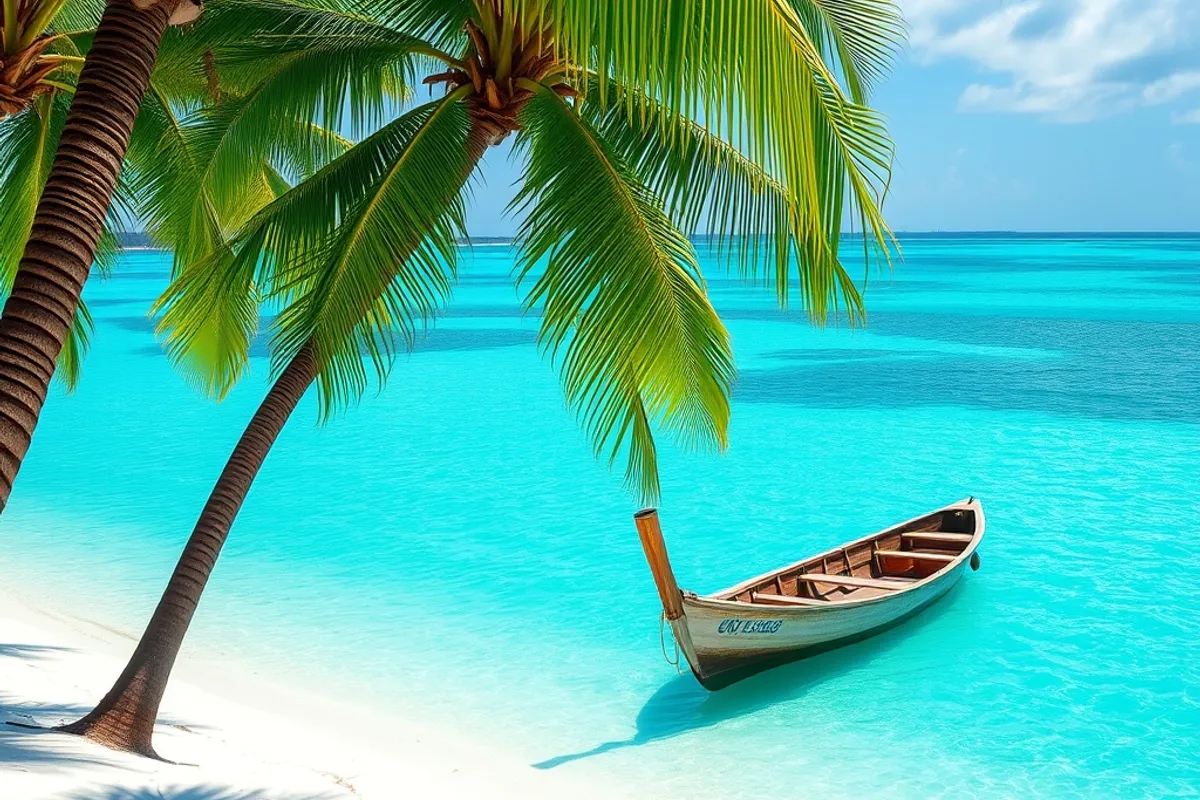
1. The two-island long weekend
Best for a short break from a nearby city. Choose one lively island with a harbour town and one quiet island within a short ferry ride. Stay two nights in each, or use the second as a day trip if the timetable is tight. The rule is simple: total travel time should be no more than a third of the time you have.
Book the return ferry before the hotel. On a short trip, a sold-out afternoon boat can cost you a whole day. Carry a small bag and confirm the last check-in time at the second stay.
2. The slow three-island week
Best for travellers who want variety without rushing. Pick a chain with frequent crossings and a clear direction: main island, smaller neighbour, remote finale. Stay three nights, two nights and two nights. The middle island should be the one with the least to organise, because that is where you will want to do nothing.
This rhythm suits couples and solo travellers. Families may prefer two bases with a day trip, because every move with children takes longer than the timetable suggests.

3. The culture-first chain
Best when you want markets, food and history as much as beach time. Choose islands with year-round towns rather than resort strips, and stay in the town itself. A working harbour, a local market and a small museum give you something to do when the sea is too rough for the boat.
Ask before photographing people, buy from small shops and respect the pace of a place that is not built around tourism. The reward is a trip that feels less like a circuit and more like a conversation.
4. The off-grid finale
Best for travellers who want silence and are comfortable with limited power and water. End with three nights on a small island with one village and no nightlife. The trade-off is planning: bring cash, confirm the water and power arrangements, and know how you will leave if the weather turns.
Do not put an off-grid stay at the start of a trip. You want your first days to be easy while you adjust to the heat and the time zone. Save the remote island for the end, when you are ready to slow down.
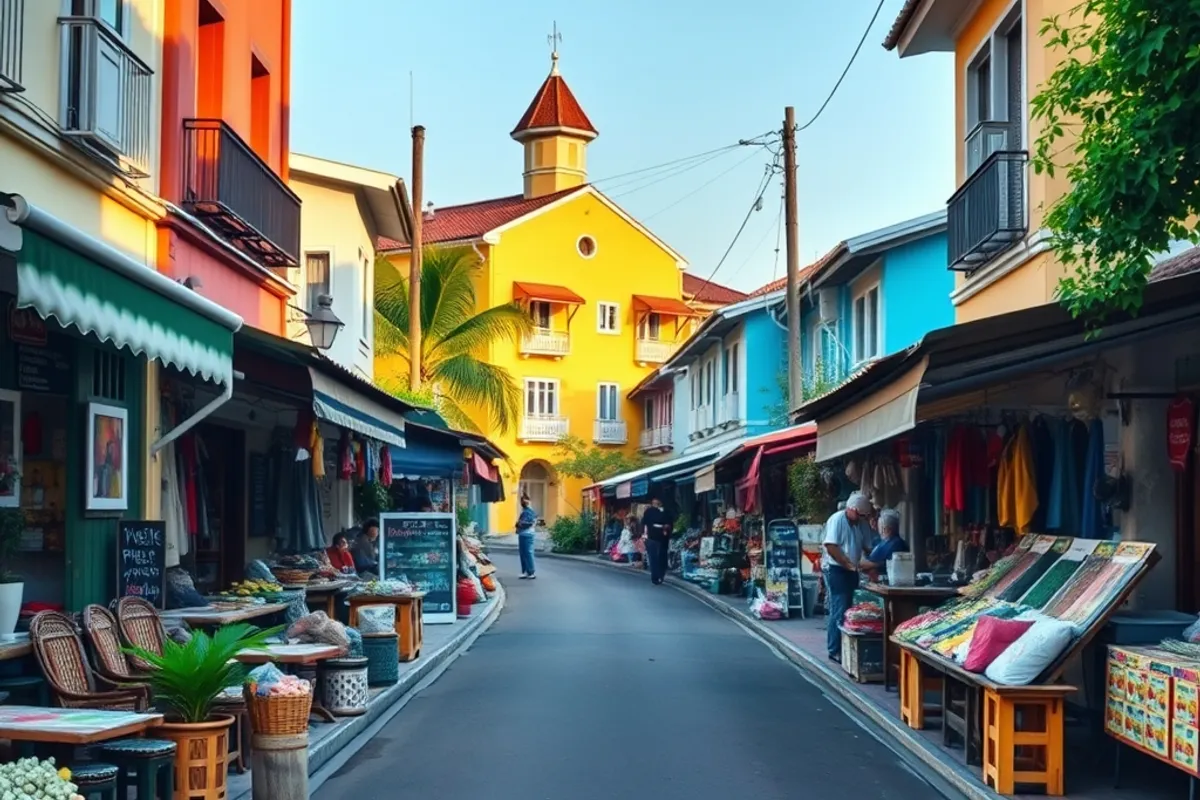
5. The diving and snorkelling route
Best when the main activity is underwater. Choose a base near the reef, a reputable dive shop and a shore entry you can use without a boat. Compare packages that include equipment, transfers and a guide, and check the season for visibility and currents.
Never assume a calm surface means an easy dive. Local guidance is part of the budget, not an optional extra. If an operator cancels because the conditions are wrong, that is a sign of competence rather than poor service.
6. The food-and-market chain
Best for travellers who plan days around lunch. Pick two islands with strong local produce and a market that serves residents, not only visitors. Go early, bring cash and ask what is in season. A ferry timetable that leaves in the late afternoon gives you a full morning at the market.
For a deeper food route, see our food journey planning guide. The same principle applies: choose the place for what it grows, catches or makes, then build the day around one good meal.
7. The shoulder-season hideaway
Best for travellers who value space over certainty. Just outside peak season, the light is softer, the harbour is busy with real work and the prices are kinder. The risk is that a restaurant or boat may be closed, so confirm the essentials before you commit.

Ask about local guides and family stays in this season. They have time to talk, and the money goes further into the community. For a lower-impact approach, read our boutique hotel booking guide before you choose where to sleep.